Winter Claims and the Next Renewal, and What Changed in How Carriers Read Your History
How loss history became an automated rating input, what shifted in the last few renewal cycles, and how a winter claim gets coded before anyone decides what it costs you.
| Published | Section | Money & Finance | |
|---|---|---|---|
| Author | Sebastian Kowalczyk | Reading time | 4 min |
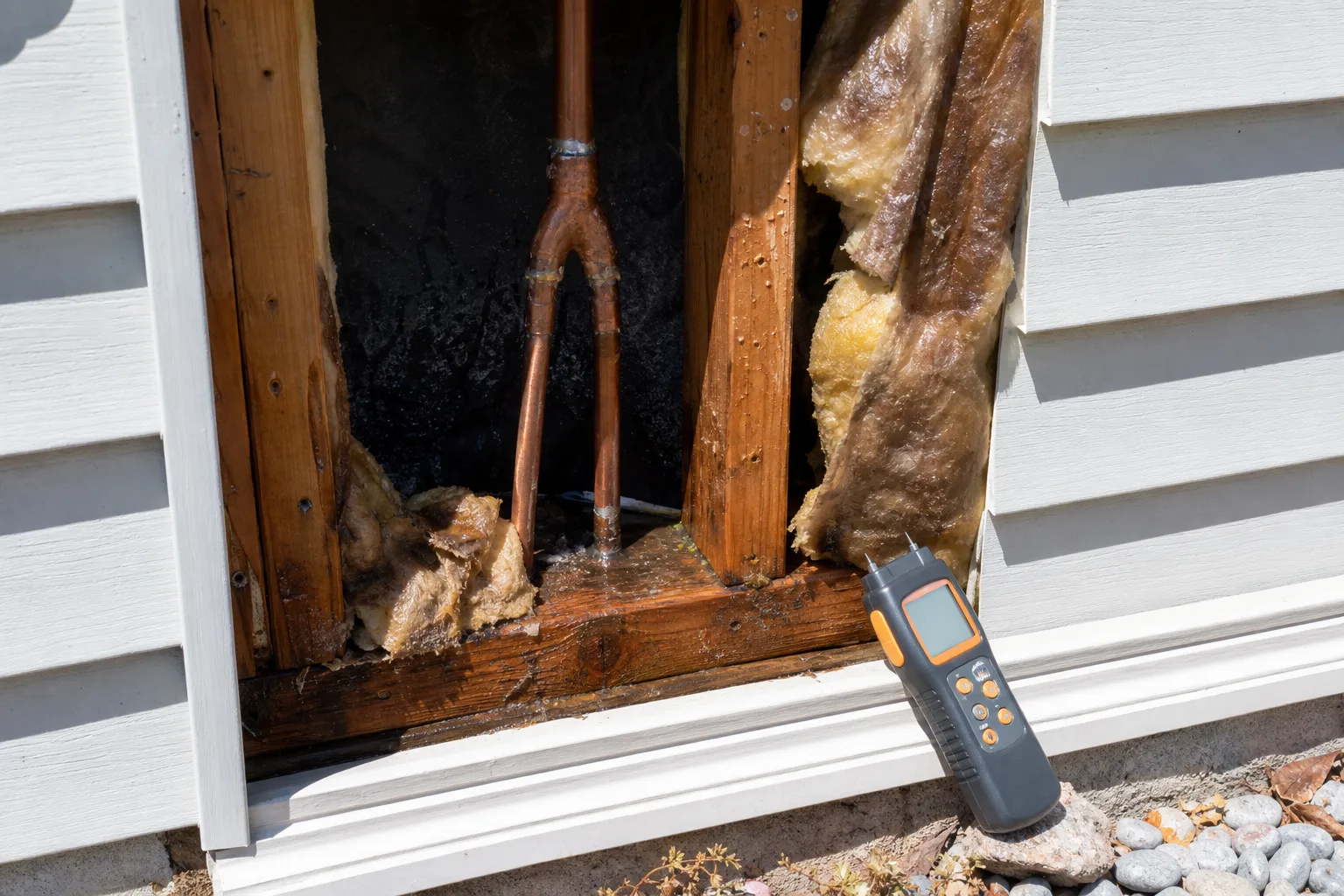
A frozen supply line in an exterior wall, discovered on a Sunday in January, produces two separate decisions. The first is whether the damage is covered, which the policy language settles fairly quickly. The second is what the filing does to the renewal that arrives eleven months later, and that one is settled by systems most policyholders never see. Those systems have changed noticeably in the last few years, and the change is not in the fine print of the policy. It is in how the file gets classified before a human reads it.
Understanding the classification matters more than understanding the coverage, because coverage is knowable in advance and classification is not.
How your loss history became an automated input
For decades an underwriter looked at a renewal and applied judgment, which meant a single burst pipe on an otherwise clean twenty-year file was often invisible. That judgment was expensive and inconsistent, so it was replaced by shared loss-history reporting: an insurer pulls a report at quote and at renewal, and the report returns dates, loss types, amounts paid, and the property address rather than the person. The property is the subject. A claim from a prior owner can appear on a house you bought last spring, which surprises people who assume their own record is the only record in play.
The consequence is that a claim now enters a rating model as a coded event with a type and a dollar figure attached. Water losses code differently from wind. A claim closed without payment codes differently from one that paid. What the adjuster wrote in the narrative does not travel; the code does. That is why two households with identical winter damage and identical repair bills can see different renewal outcomes, and why the difference is usually invisible to both of them.
What shifted in the last few renewal cycles
Three things moved at roughly the same time, and together they changed what a claim costs beyond the deductible. Reinsurance became more expensive after a run of severe convective storm years, which pushed primary carriers to tighten what they insure rather than simply reprice it. Roof coverage was rewritten in many books from replacement cost to a payment schedule based on age, so a hail-damaged twenty-year roof now pays a fraction. And carriers began reinspecting properties with aerial and street-level imagery, meaning a claim can trigger a look at your whole property rather than the one wall you reported.
That last change is the one worth planning around. A filing is no longer a request about a single loss; it is an invitation to reunderwrite the risk. If the imagery shows a tarp, a cracked driveway apron, a tree overhanging the roof plane or a detached garage in poor condition, those observations can drive a condition letter or a non-renewal that has nothing to do with the frozen pipe. Insurers moved this way because inspection by drive-by was slow and expensive, and imagery is neither.
Why the season decides the code
Winter losses are unusually sensitive to coding because two very different causes produce the same puddle. A supply line that split because water inside it froze is a weather-adjacent event in the household's telling and, in most policy language, a covered sudden discharge. A supply line that split because the braided hose behind the washer was fifteen years old is a maintenance failure that many carriers now treat as a warning sign about the plumbing generally. The visible damage is identical. The classification is not, and the classification is what your renewal sees.
Ice dams sit in the same ambiguity. Water backing up under shingles and appearing on a bedroom ceiling can be coded as a weather loss, which in a catastrophe-declared event is often excluded from individual loss-history penalties, or as a ventilation and insulation defect, which is not. Whether a storm gets a catastrophe designation is decided by industry loss reporting rather than by you, but whether your file rides that designation depends on the date you report and the cause the adjuster records. Report inside the storm window and the coding tends to follow the storm.
Which tests are worth paying for before you file
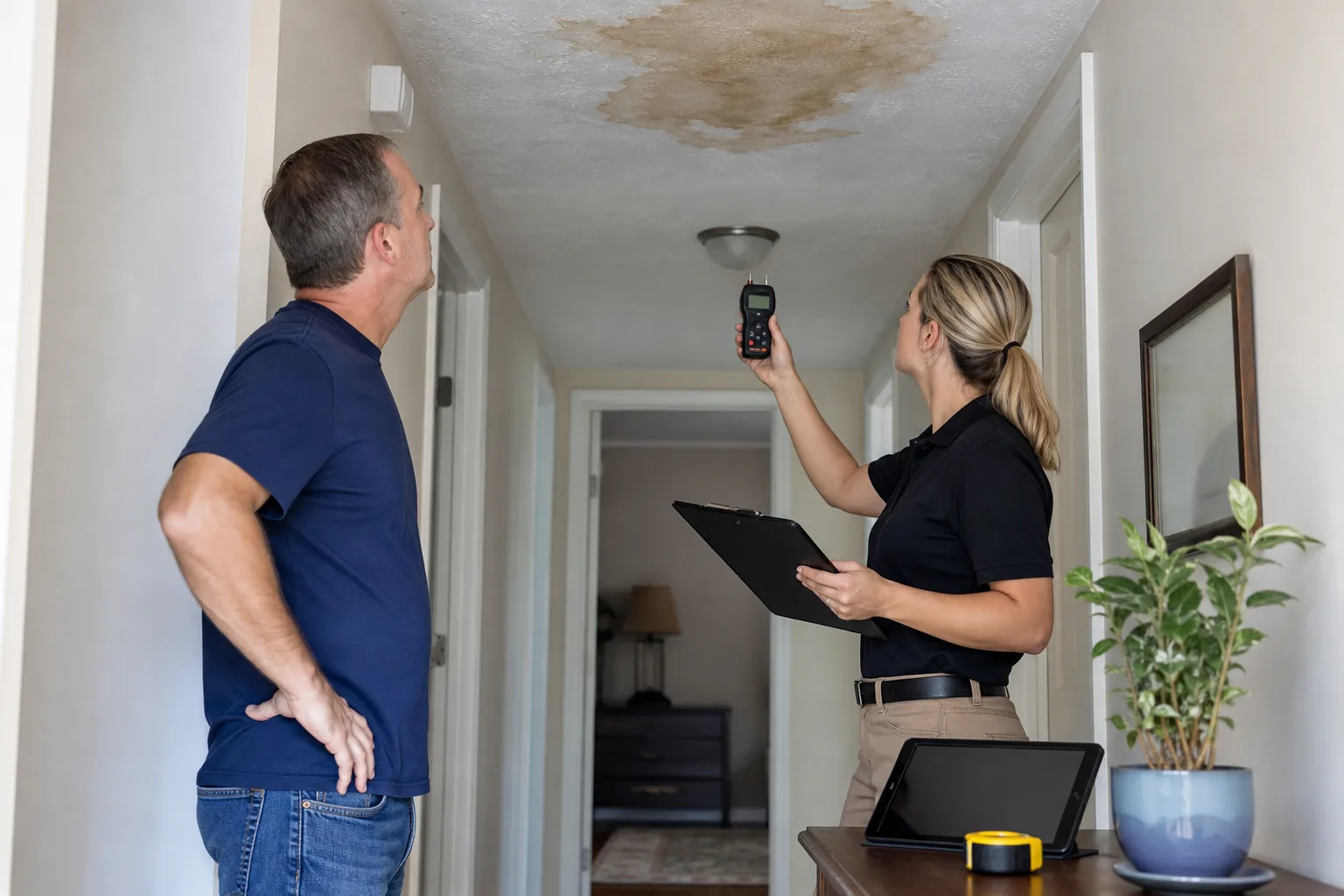
The temptation is to call the carrier first and figure out the cause later. The better sequence is a diagnosis you own. A licensed plumber's written report identifying the failed component and the reason for failure costs a service call, and it is the document that separates a freeze event from a deferred-maintenance event in the record. For ceiling and wall water, a moisture meter reading and a thermal scan, both routine for a restoration contractor, establish the extent while it is still wet, which is the only time extent can be established honestly.
Two things are usually not worth buying. A full plumbing camera inspection is diagnostic gold for a drain problem and irrelevant to a pressurized supply failure. A roof inspection offered free by a company that also does the repair is a sales call with a ladder, and its report will not survive a carrier's own review. The Federal Emergency Management Agency oversees the flood program that sits alongside your homeowners policy, and the boundary between the two matters in winter: groundwater and surface water entering at grade after a thaw is a flood question, not a homeowners question, and filing it in the wrong place produces a denial that still shows up as a claim.
The other test costs nothing and is skipped constantly. Ask your agent, in writing, how a coverage question is logged in their system before you describe your loss. In some states an inquiry that never becomes a claim cannot be used against you; in others it can be recorded and seen. Knowing which applies at your address changes the order of the phone calls.
The frozen line still needs fixing on Sunday. What has changed is that the fix and the filing are now two decisions with different deadlines, and the paperwork you gather in the first day is what lets you make the second one deliberately rather than under pressure.