Three People Can Hold Your Claim File. Only One of Them Is Hired by You
Staff adjuster, independent adjuster, public adjuster: who licenses each one, who pays them, and which protections a household can actually use.
| Published | Section | Homes | |
|---|---|---|---|
| Author | Malcolm Greenhalgh | Reading time | 4 min |
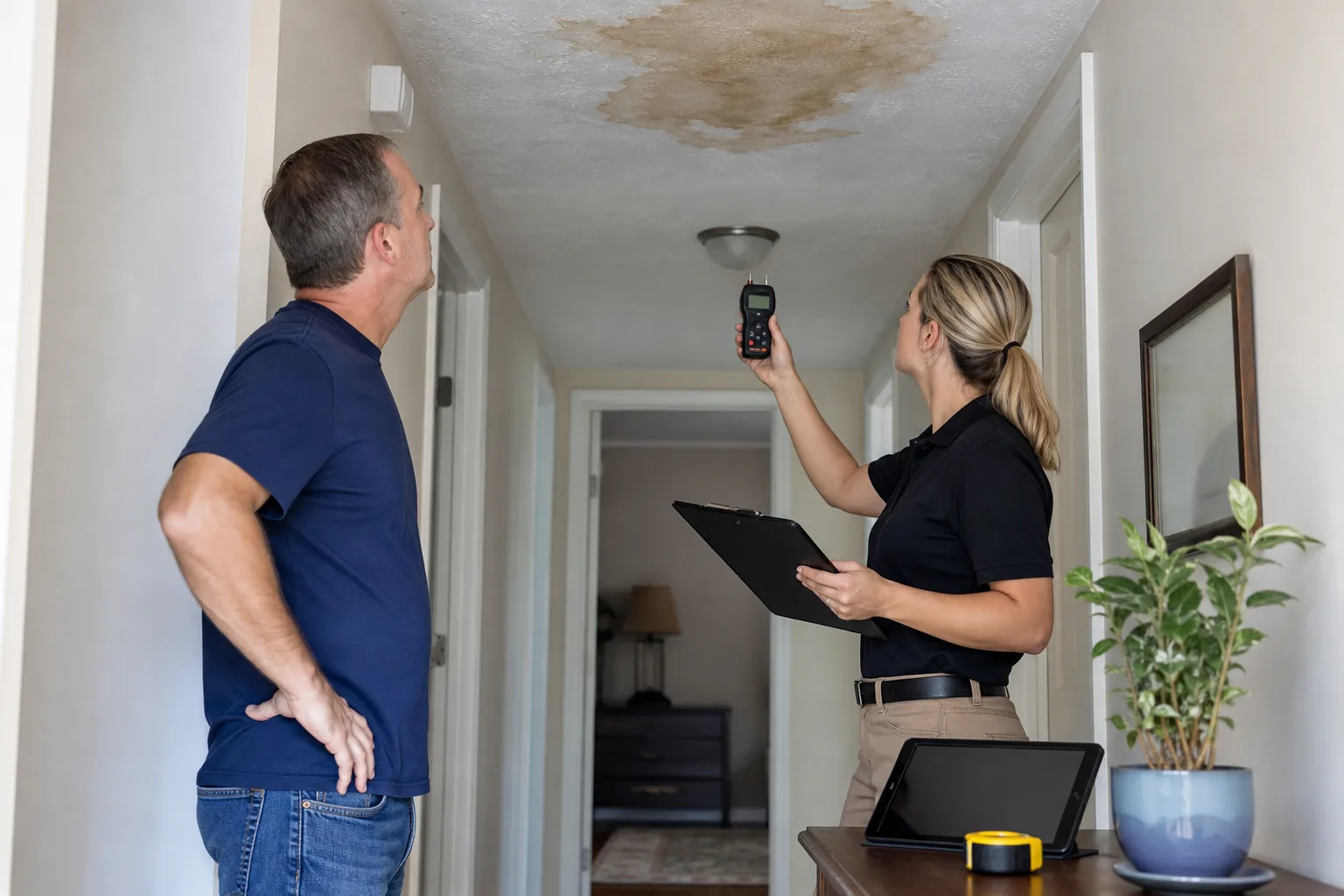
The person who shows up to look at your ceiling after a pipe lets go may be an employee of the insurance company, a contractor the company hired for the week, or someone you retained yourself and are paying out of the settlement. All three are licensed adjusters in most states. All three carry a tape measure, a moisture meter and the same estimating software. The difference is not visible from the driveway, and it is the single fact that shapes everything that follows, because it determines whose instructions the person in your hallway is working under.
The three people who may be assigned, and who signs their check
A staff adjuster is a salaried employee of your carrier, trained in-house, usually starting on small auto or contents claims and working up to structural losses over several years. An independent adjuster is contracted by the carrier, often surged in after a hailstorm or a hurricane when the staff roster cannot cover the volume, and paid per file or per day. A public adjuster works for the policyholder and nobody else. The first two owe their duty to the company that engaged them, which is not the same thing as being adversarial, but it is not the same thing as representing you either.
What an adjuster learns in year one is the documentation: how to scope a room, how to photograph a loss so a reviewer three states away can follow it, how to write a line item in the estimating platform the carrier has standardized on. What takes longer is judgment about causation, the question of whether that stain is from this week's storm or four winters of slow seepage, and the practiced ability to argue a position upward inside a claims department. A file handled by someone in their first season looks different from one handled by a fifteen-year veteran, and you are allowed to ask how long the person in front of you has been doing this.
What the license actually promises
Adjuster licensing is a state matter, run by each state's department of insurance, and the rules differ enough that the answer in one state is genuinely wrong one line over. Most states license public adjusters separately and more tightly than company adjusters, because a public adjuster is soliciting the public and taking a cut of their money. That typically means a written exam, a surety bond, fingerprinting, continuing education, and a contract that must contain specified disclosures. Several states cap the percentage a public adjuster may charge, and several impose a lower cap during a declared catastrophe, precisely because that is when people sign things on a folding table in a parking lot.
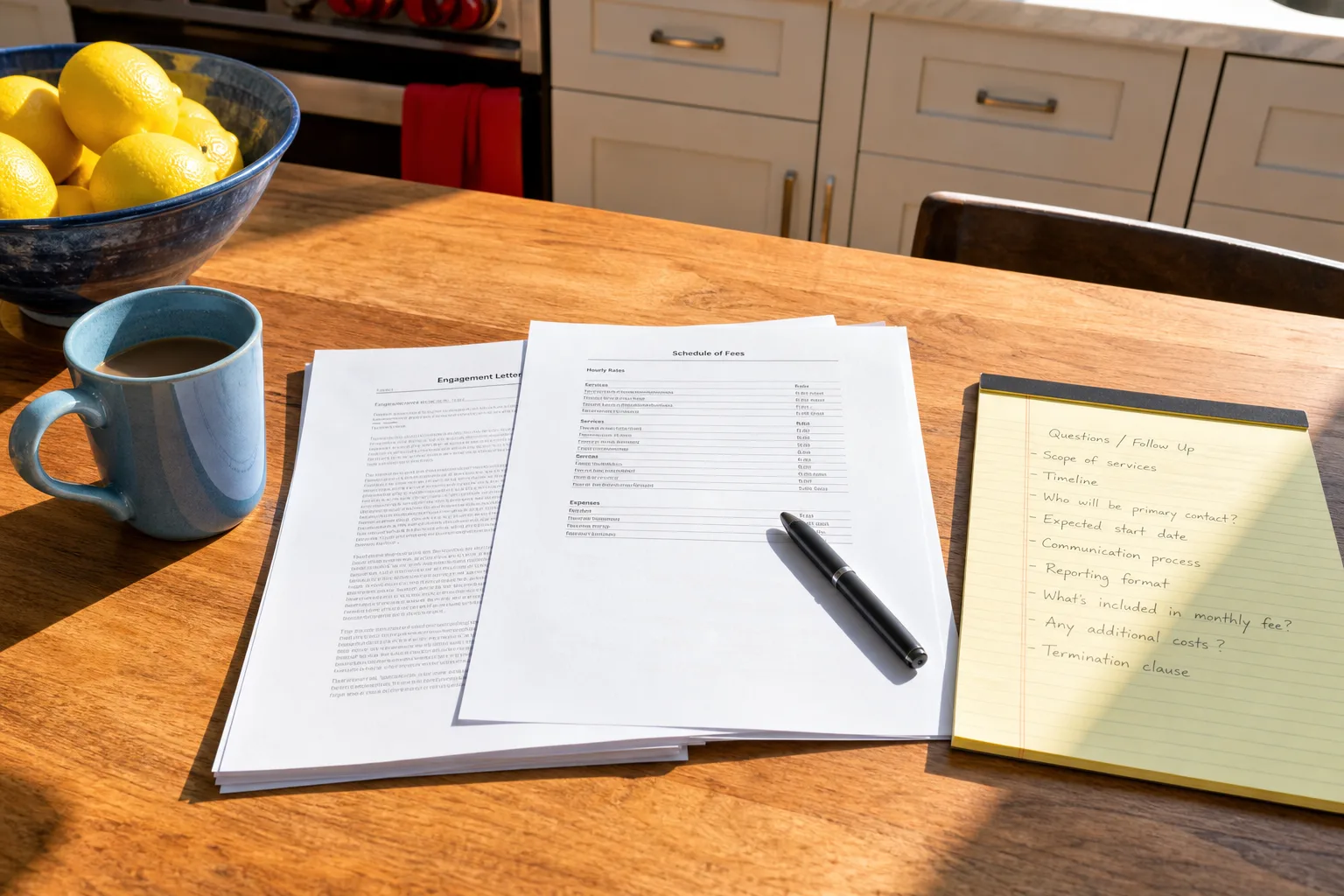
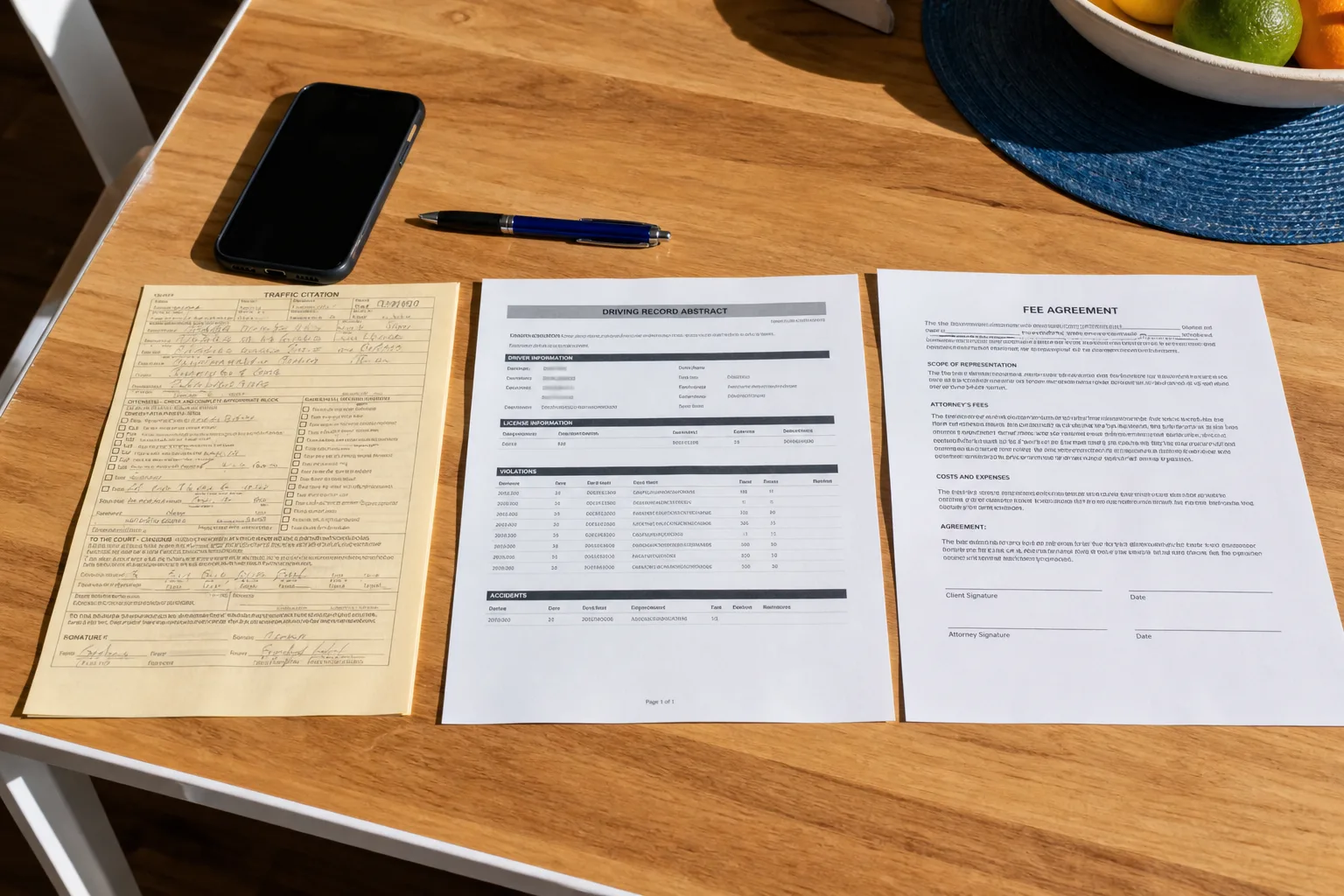
The protection that matters most to a household is the cancellation window. Many states require that a public adjuster contract be cancelable by the policyholder within a set number of days of signing, without penalty, and require the contract to say so in plain type. If the agreement handed to you does not mention cancellation, does not state the fee as a percentage of what, and does not carry a license number you can verify on the state regulator's lookup page, you have learned something useful before any money moved. Verifying a license takes about four minutes and a phone.
Separately, every state has an unfair claims settlement practices statute that governs how carriers and their adjusters behave: acknowledging a claim within a set period, conducting a reasonable investigation, explaining a denial in writing with reference to the policy language relied on. These are not suggestions, and the department of insurance will take a complaint about them from an individual homeowner. For flood losses written through the National Flood Insurance Program, the program is overseen by FEMA, and the adjusting rules, forms and proof-of-loss deadlines come from that program rather than from your carrier's own manual.
Comparing the cost of each route
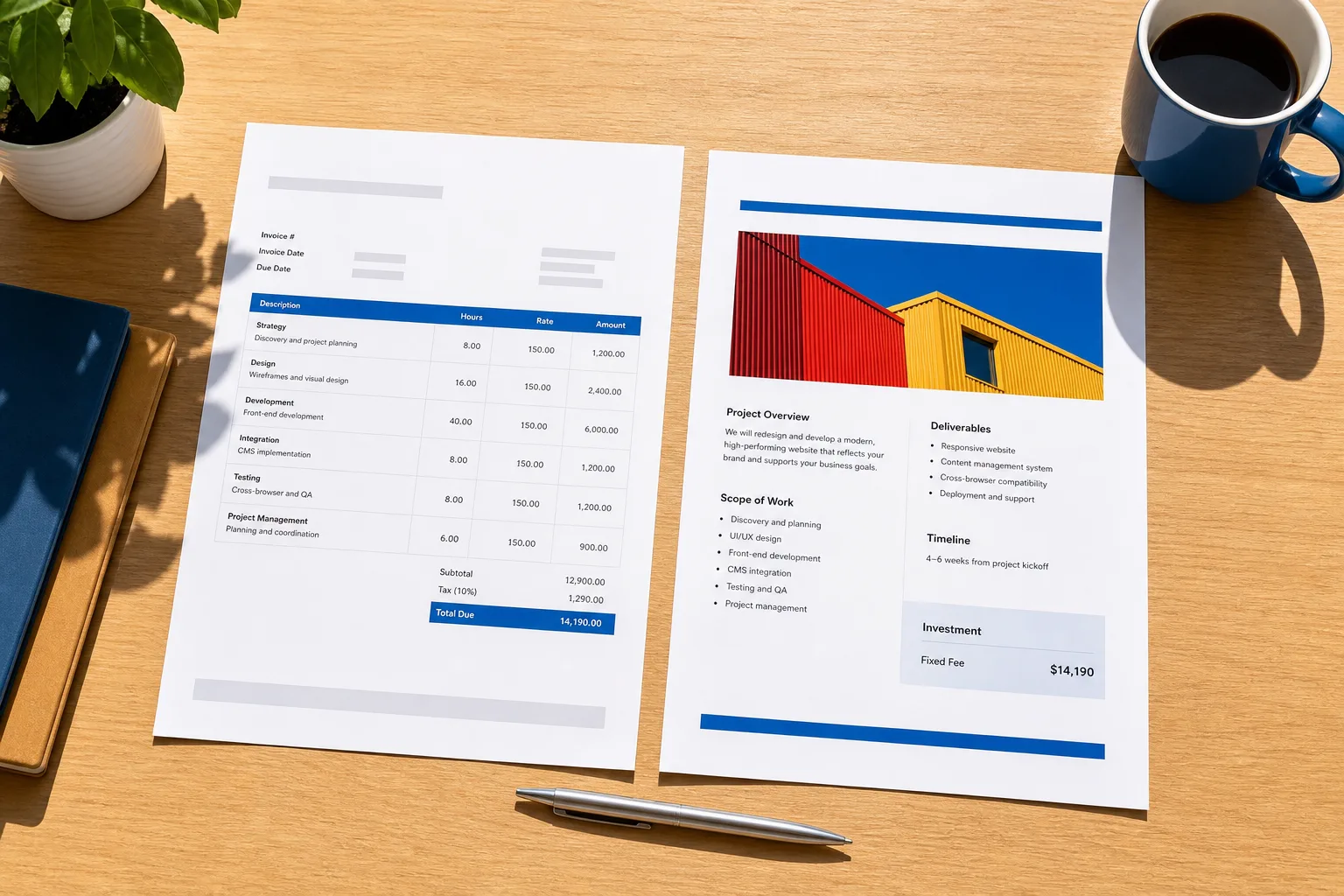
A staff or independent adjuster costs you nothing directly. A public adjuster normally works on a contingency fee calculated as a percentage of the settlement, which means the decision is not whether you can afford one but whether the increase they obtain exceeds what they take. On a small, uncomplicated claim with a clear cause and a contractor's estimate already in hand, it often does not. On a large structural loss involving code upgrade coverage, additional living expenses over several months, and a contents inventory running to hundreds of lines, the arithmetic changes, because those are the areas where an untrained claimant leaves the most behind.
Read how the percentage is computed. A fee on the total settlement including amounts the carrier had already offered before the public adjuster was retained is a different deal from a fee on the increase alone, and some states restrict the former. Ask also whether the fee applies to the depreciation holdback you recover later, and whether the adjuster will be the person doing the work or will hand the file to a junior once the contract is signed. That last question is the trade equivalent of asking whether the master or the apprentice is cutting the miters.
The route most people forget: appraisal
Most homeowners policies contain an appraisal clause, and it is the cheapest formal path between a disagreement and a resolution. Either side may invoke it when the dispute is about the amount of loss rather than whether the loss is covered. You name an appraiser, the carrier names one, the two select an umpire, and an agreement between any two of the three binds the amount. You pay your own appraiser and share the umpire's cost, which is real money but materially less than litigation, and the process runs in weeks rather than years. It does not resolve coverage questions, which is exactly why reading the denial language first matters.
Decide which of these you want before the first inspection rather than after the first number arrives. Write down the adjuster's name, license number and employer at the door, keep your own photographs and receipts in one folder, and you will be in a position to change routes later without starting over.