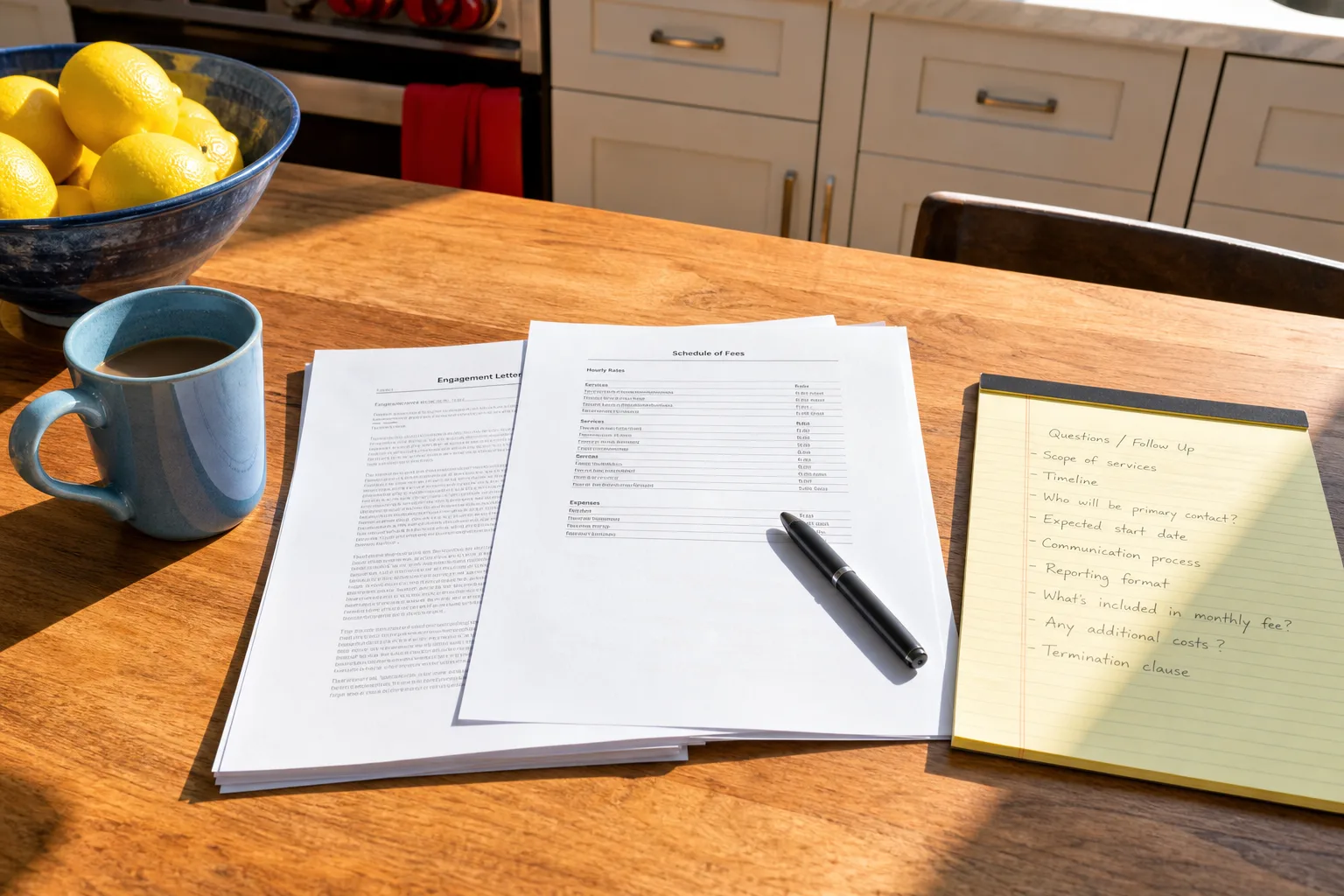
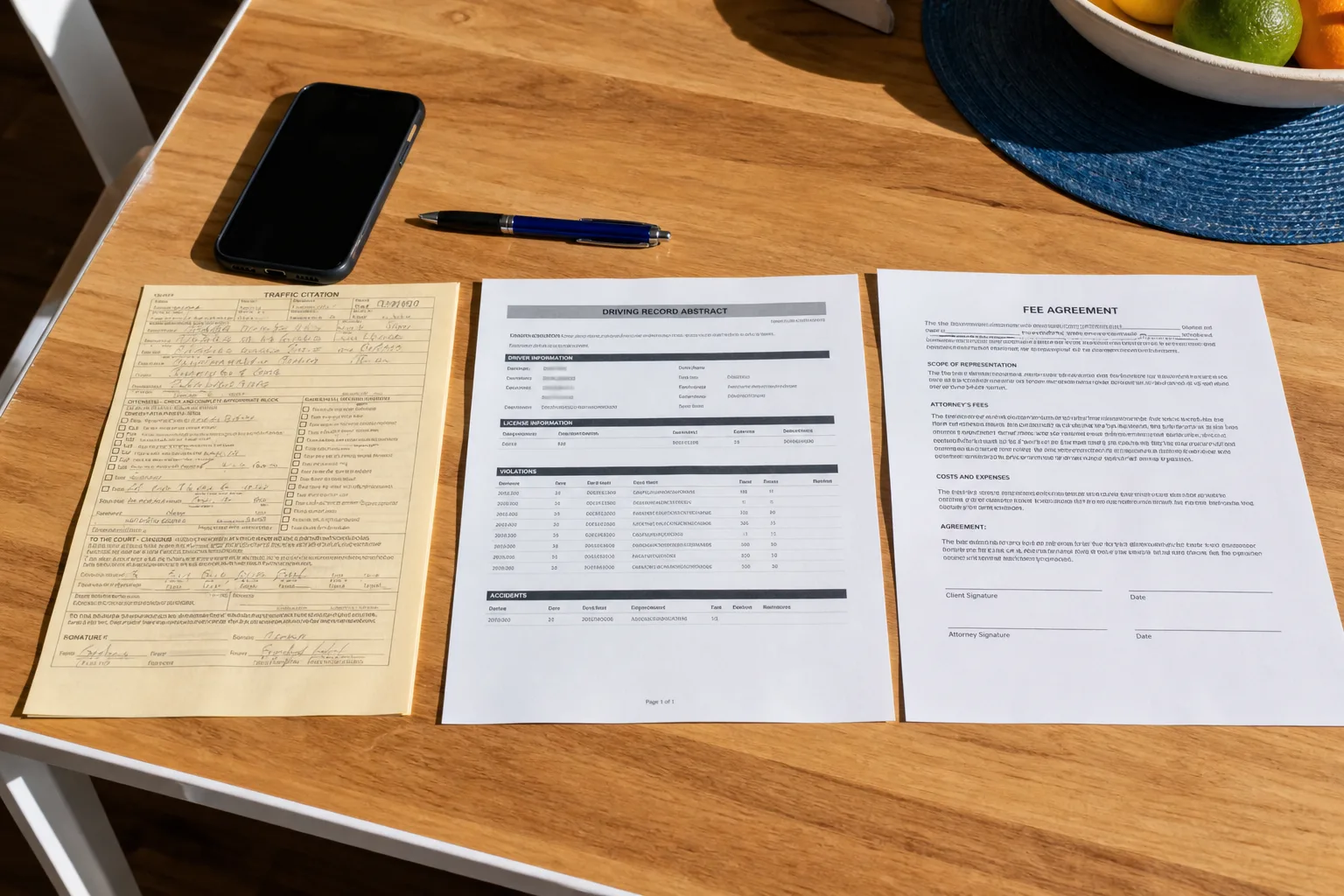
The Crew Never Read Your Contract. Write the Scope for Them
A scope of work is negotiated with a salesperson and performed by a foreman who was handed a work order. What survives that handoff decides the job.
| Published | Section | Business & Trade | |
|---|---|---|---|
| Author | Sebastian Kowalczyk | Reading time | 4 min |
Most arguments about a job that went sideways are not arguments about price. They are arguments about what the words meant, raised weeks after the words were signed, by two people who each remember a different conversation. The document you negotiated was written by whoever sold the work. The document that arrives on site is usually a work order with a start date, an address, a materials list and a line or two of instruction. Everything that fails to survive that handoff is available later as a dispute, and the gap is where a barely adequate job comes from.
The party in the transaction almost nobody writes for
You meet the estimator, the account manager, the partner who takes the intake call. You rarely meet the foreman, the field technician or the associate who is handed the file on a Tuesday morning and told to get it done. That person is the one who has to interpret your scope while standing in your basement with a crew waiting, and they will interpret it against habit, against how the last twelve jobs were done, and against whatever the office told them the hours were. A scope written for the signer and not for the doer is a scope that gets improvised.
The practical test is simple, and it costs you nothing. Ask whether the lead who will perform the work has seen the scope, and ask to be present when they walk the site with it. Two things happen in that walk. Ambiguities get flushed out while they are still cheap, and the person holding the tools acquires a version of the job that matches yours. Firms that already work this way say yes without hesitation, which tells you something useful about how they run jobs generally.
Name the fault, not just the remedy
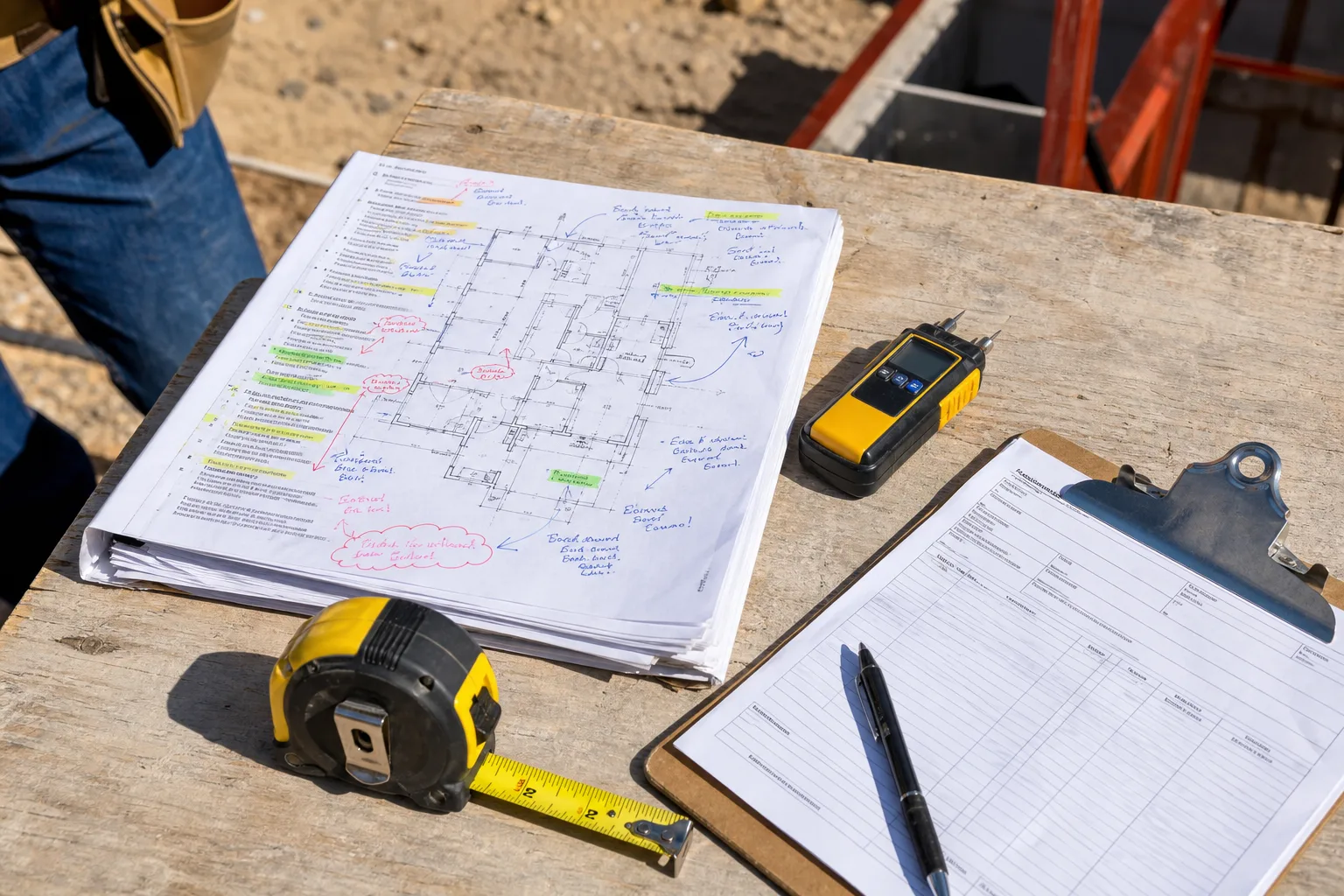
A weak scope lists outputs: replace the panel, regrade the side yard, restructure the entity, rebuild the deck. A strong one states the condition being corrected first, then the work proposed to correct it, so that anyone reading later can tell whether the remedy actually addresses the fault. Write down what was observed, what was measured and what the measurement was taken with. Moisture readings at the sill plate. A static pressure reading on the return. A camera run through the lateral, with footage noted. Without that, you have bought a treatment for a symptom and no way to prove it was the right one.
This also settles the question of which diagnostic work is worth paying for separately. If a firm cannot state the cause with confidence, the honest structure is a paid investigation with a defined deliverable, then a scope written from the findings. That sequence costs more on paper and less in practice, because the alternative is an allowance-heavy proposal that quietly transfers the guesswork onto your budget. Insist that the findings arrive in writing, in a form the next contractor could read.
What happens when something unexpected is found
Every job that opens a wall, a ceiling or a set of books finds something nobody priced. The scope should say in advance how that gets handled, because the moment of discovery is the worst possible time to negotiate. Three things belong in writing: unit prices for the conditions most likely to appear, a dollar threshold above which work stops until you approve it, and the name of the single person authorized to approve it. Add that no change proceeds on a verbal instruction. The Federal Trade Commission oversees fair dealing in consumer contracts, and clear change procedures are one of the places that principle earns its keep.
Who decides the work is finished
Completion has to be defined by something other than the contractor's opinion that they are done. Tie it to conditions a third party can verify: a passed final inspection, a permit closed with the building department, a manufacturer's registration filed, a report delivered in a stated format, a test rerun and the new reading recorded next to the old one. Then attach the last payment to those conditions rather than to a calendar date. A retained percentage held until closeout is ordinary practice, not an insult, and reputable firms price with it in mind.
The same clause solves the punch list problem before it starts. Say who walks the job, when, and how many days the contractor has to clear the items found. Say what happens to warranty registration, operating manuals, keys, spare materials and as-built notes, and say that they arrive before final payment rather than sometime after. These are small paragraphs. They are also the ones that decide whether the last five percent of a job gets finished properly or drifts.
An hour spent making the scope readable to the person who will perform it changes what shows up on day one. Bring the diagnosis, the measurements, the change procedure and the completion test, and ask for the field copy. The crew will be glad of it, and so will you.