Ten Years On, Your Policy Has More Exclusions. The Party Who Wrote Them Never Signed It
An exclusion clause is a symptom, not a cause. Trace it back and you find a reinsurer and a state filing, neither of which appears on your declarations page.
| Published | Section | Money & Finance | |
|---|---|---|---|
| Author | Sebastian Kowalczyk | Reading time | 4 min |
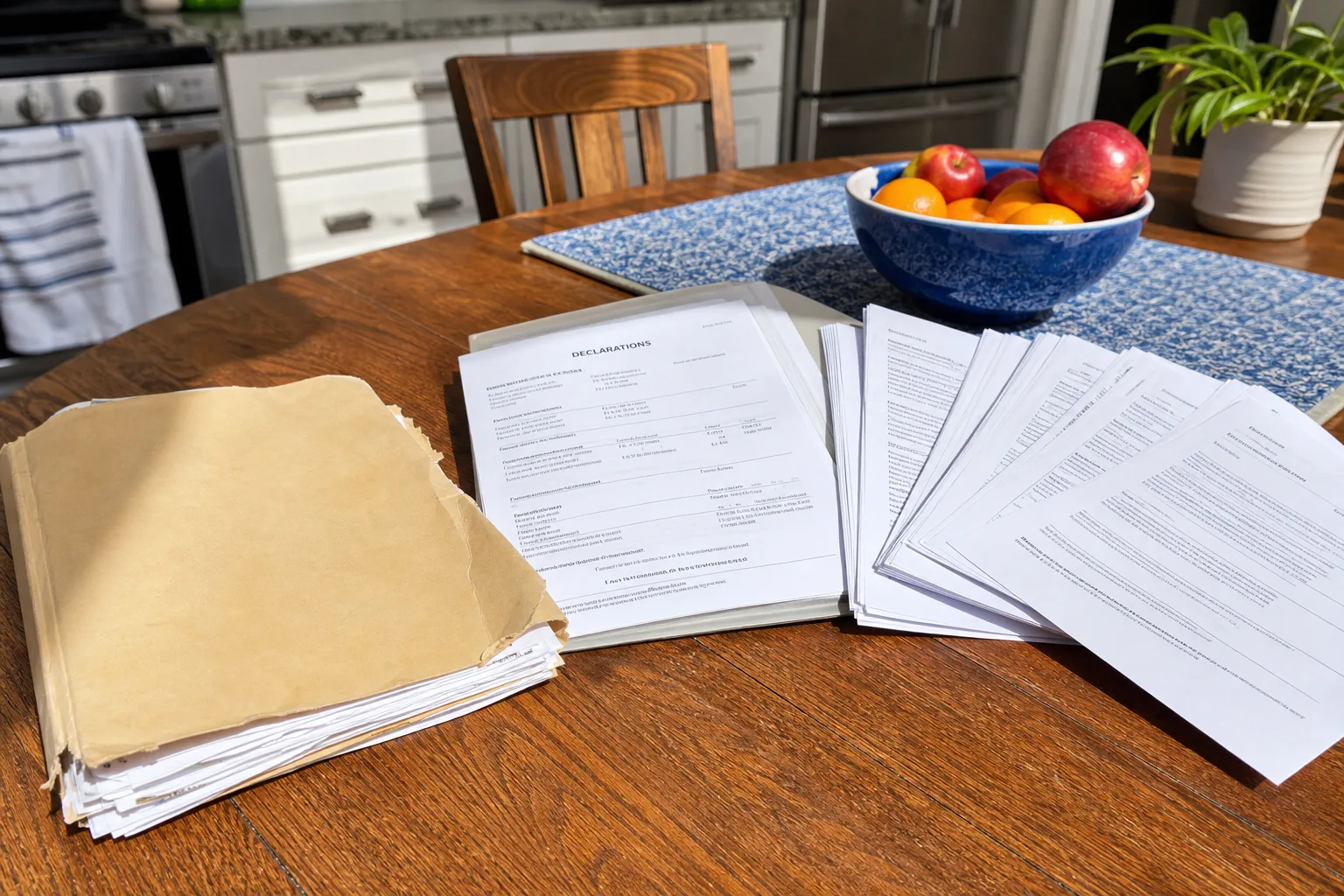
Pull the policy you bought a decade ago out of the file drawer, if you still have it, and set it beside this year's renewal. The dwelling limit is higher, which you expected. The premium is higher, which you also expected. What surprises people is the back half of the document: a stack of endorsements, each one or two pages, each amending the base form in a way that was not there before. Cosmetic damage to roof surfacing. A percentage deductible for wind and hail. A schedule that pays roofs at actual cash value after a certain age. None of that arrived by accident.
The same house, the same carrier, two very different documents
Ten years ago, the decision in front of a homeowner at renewal was mostly arithmetic. You checked the dwelling limit against what a builder would charge, you picked a deductible you could actually write a check for, and you moved on. The coverage grammar underneath was stable enough that reading it twice was a poor use of an evening. That is no longer true, and the change is not that carriers became less generous. It is that the base form now does less work and the endorsements do more, which means the operative language has migrated to the pages people skip.
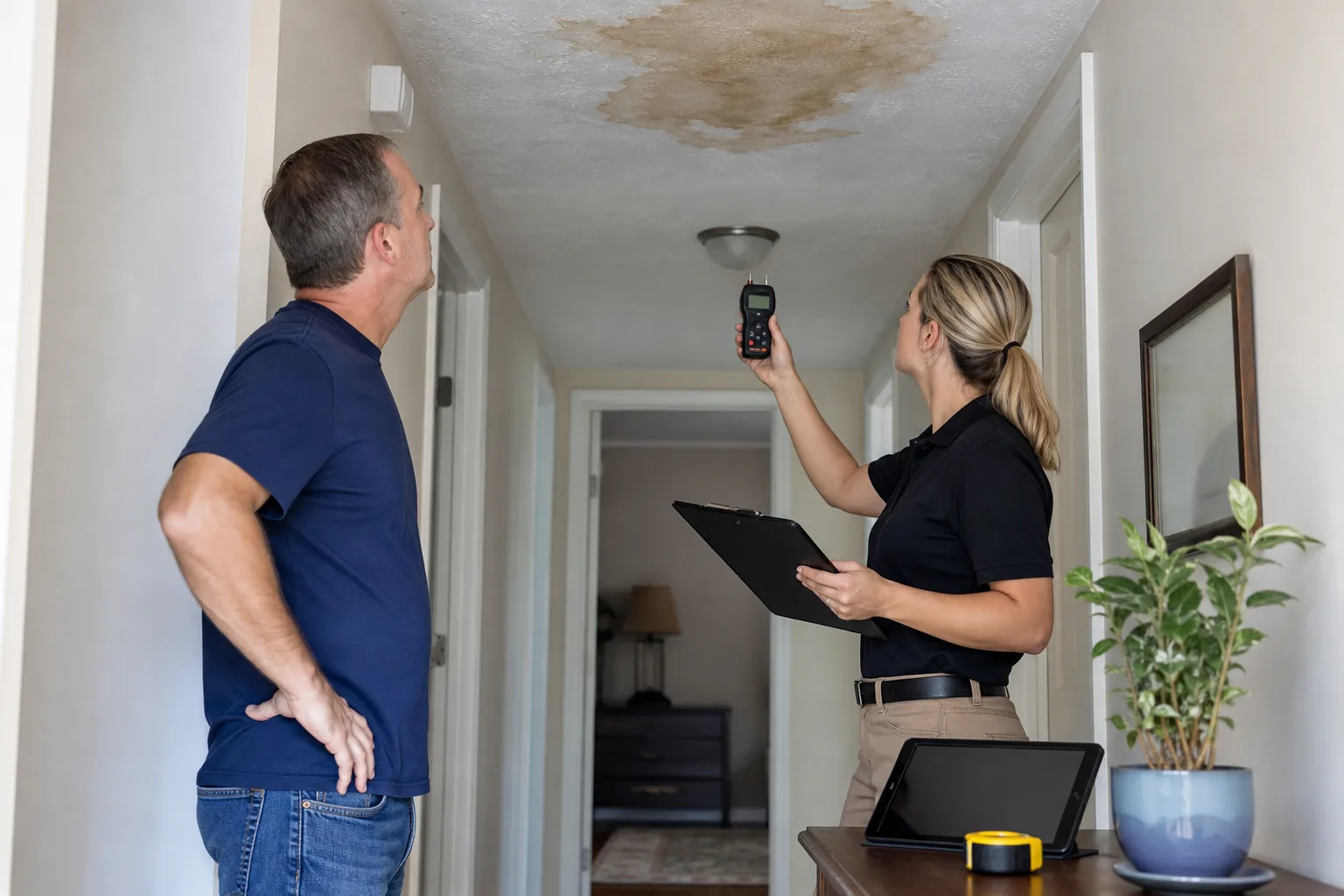
The practical effect shows up in the shape of a claim rather than in the price. A hailstorm that would once have produced a full roof replacement now produces an argument about whether the bruising is functional or cosmetic, and whether the roof was fourteen years old or nine. Same storm, same adjuster, same carrier. Different paragraph governing the outcome. Treating that as a customer service problem is treating a symptom. The paragraph got there for a reason, and the reason is upstream of anyone you can reach on the phone.
The party who never appears on your declarations page
Your carrier does not keep all of your risk. It cedes a portion, sometimes a large one, to reinsurers who take on catastrophe exposure across many carriers and many states at once. Those treaties renew on their own calendar, and when a reinsurer decides that hail in a particular region has been costing more than it priced for, it does not send you a letter. It changes the terms on which it will keep backing that book of business. Your carrier then has three options: absorb the difference, raise rates, or narrow what the policy promises.
Most carriers do some of each, and the narrowing is the part that reaches you as an endorsement. This is why exclusions tend to arrive in clusters, across multiple carriers, in the same region, in the same eighteen months. It is not coordination and it is not a conspiracy. It is several companies responding to the same signal from the same small set of counterparties. Once you can see that, the endorsement stops reading as arbitrary and starts reading as a diagnosis of what has been going wrong in your zip code.
The filing is public, and it explains itself
Policy forms and rates do not take effect in most states until they have been filed with, and in many cases approved by, the state department of insurance. That filing usually includes a memorandum explaining what the change does and why the carrier believes it is justified. It is written for a regulator rather than a customer, which is precisely what makes it useful: the plain-language summary of an exclusion, written by the people who drafted it, is often clearer than the clause. Departments differ in how much of this they publish, and a phone call to the consumer services line will tell you what is available.
The same logic explains one of the oldest exclusions in the book. Flood is absent from a standard homeowners policy not because it is unforeseeable but because it was moved to a separate program, and the National Flood Insurance Program that FEMA administers is where that risk went. An exclusion is frequently a routing instruction rather than a refusal. Knowing which is which tells you whether you need a different policy, an endorsement, or nothing at all.
Which tests are worth paying for
Before you shop, read the endorsement schedule on the declarations page and count. Then ask your agent, in writing, which of those endorsements were added in the last three renewal cycles and what each one changed. That single question sorts the inherited boilerplate from the recent, deliberate narrowing, and the recent ones are where your exposure is. If a roof schedule appears, get the installation date from the permit record or the prior owner's file, because your carrier is already working from an estimate. A four hundred dollar independent roof inspection, documented and dated, is worth more at claim time than any conversation you have before one.
The document got longer because the risk got better understood, and the parts that changed are traceable to a specific quarter and a specific decision. That is a solvable reading problem. Find the endorsement, find the filing, and you will know what the clause is protecting against before you need it to.