Reported It Just to Ask? What Lands on Your Loss History and What Doesn't
A question to an agent, a call to a claims line and a filed claim are three different acts, and only one of them reliably follows you to the next renewal.

| Published | Section | Money & Finance | |
|---|---|---|---|
| Author | Malcolm Greenhalgh | Reading time | 5 min |
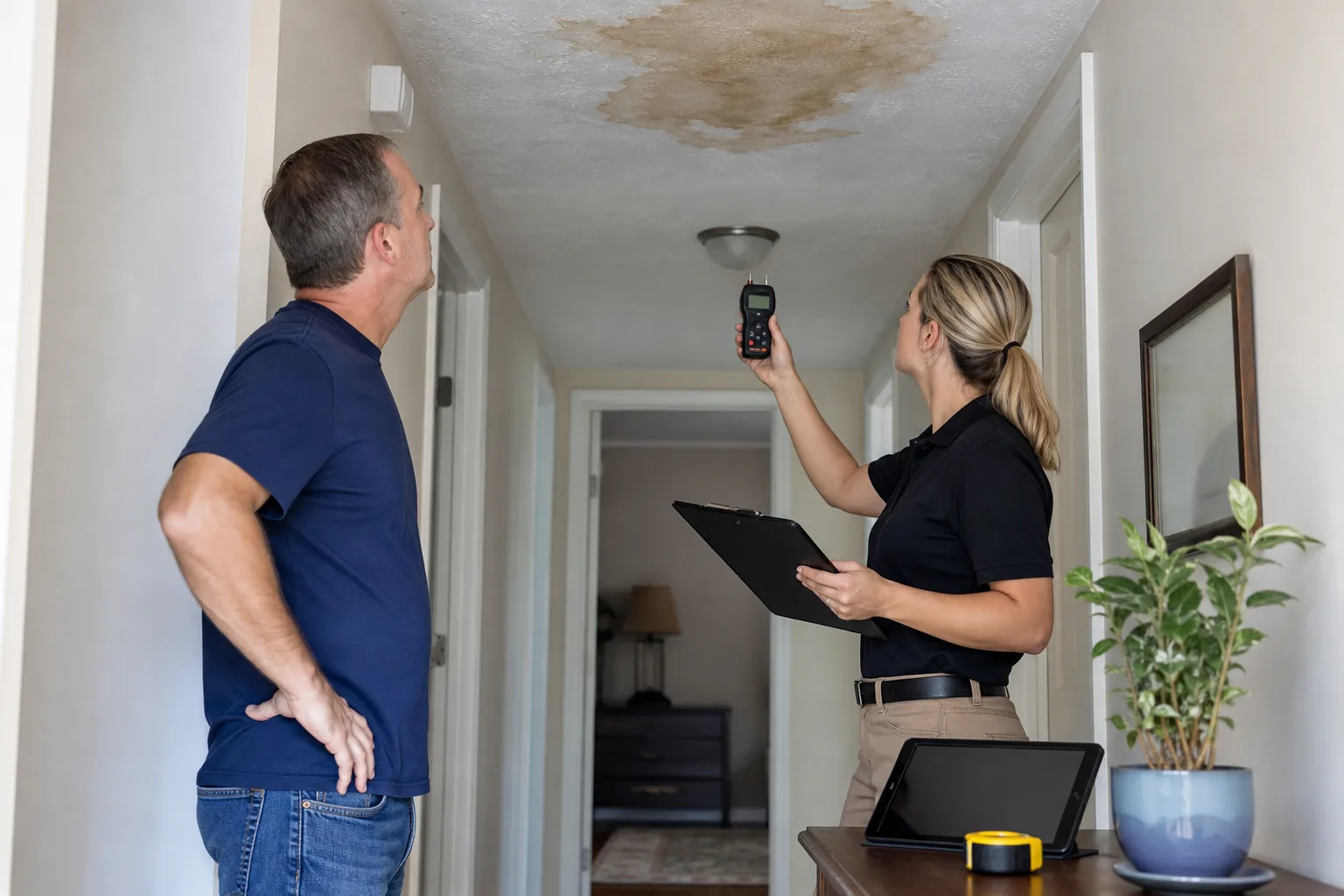
A supply line under a second-floor bathroom sink lets go on a Tuesday morning, the water runs for maybe forty minutes before anyone hears it, and by the time the shutoff is closed there is a stain across the kitchen ceiling and a soaked run of subfloor. The homeowner's first instinct is to call the insurance company and ask what is covered. That instinct is sound in every respect except one: the call itself can become a record, and the record can outlive the repair by years. Knowing the difference between asking, reporting and claiming is most of the skill here.
Three different acts that all feel like one phone call
Ask an independent agent a hypothetical question about how water damage is handled under your form, and you have had a conversation with a broker. Call the carrier's claims number and describe an event, and in most systems a file opens whether or not any money ever moves. File and pursue that claim, and you have a paid or closed-without-payment loss attached to the property and to your name. Those are three distinct acts. Homeowners routinely treat them as one, because from the couch on a Tuesday morning they feel identical, and nobody explains the sequence until afterward.
The practical consequence shows up at renewal, and then again the following year if you shop. A claims-free discount is not a courtesy; it is a rated credit that comes off the moment the loss history says otherwise. A carrier deciding whether to keep you is looking at frequency more than severity, so two small water events in three years reads worse than one substantial fire. The homeowner who called twice to ask about the same leak, and then repaired it out of pocket both times, can find themselves rated as though they had collected.
What a first-year adjuster knows, and what takes a decade
An adjuster in year one is taught coverage forms, estimating software, scope documentation and the state's timelines for acknowledgment and payment. Those are teachable in a classroom and testable at the end of it. What is not on the syllabus is the judgment that decides whether an event even becomes a claim, and that judgment is the whole game for a homeowner. Veterans on the field side will tell you, plainly, when a loss is smaller than the deductible plus the likely rating consequence, and they will say so before the file hardens. Newer staff, correctly following procedure, open the file first and evaluate second.
The same split runs through the agency side, which is where most homeowners actually make contact. A new producer knows the products, the underwriting appetite of four or five carriers and how to quote quickly. A seasoned one knows which carriers treat a closed-without-payment water file as a nonevent and which treat it as the first of a pattern, and that knowledge is not written down anywhere you can read. It comes from placing several hundred renewals and watching what happened to each. When people say they want an experienced agent, this is the thing they are buying, whether or not they could name it.
Where the record lives and who is allowed to read it
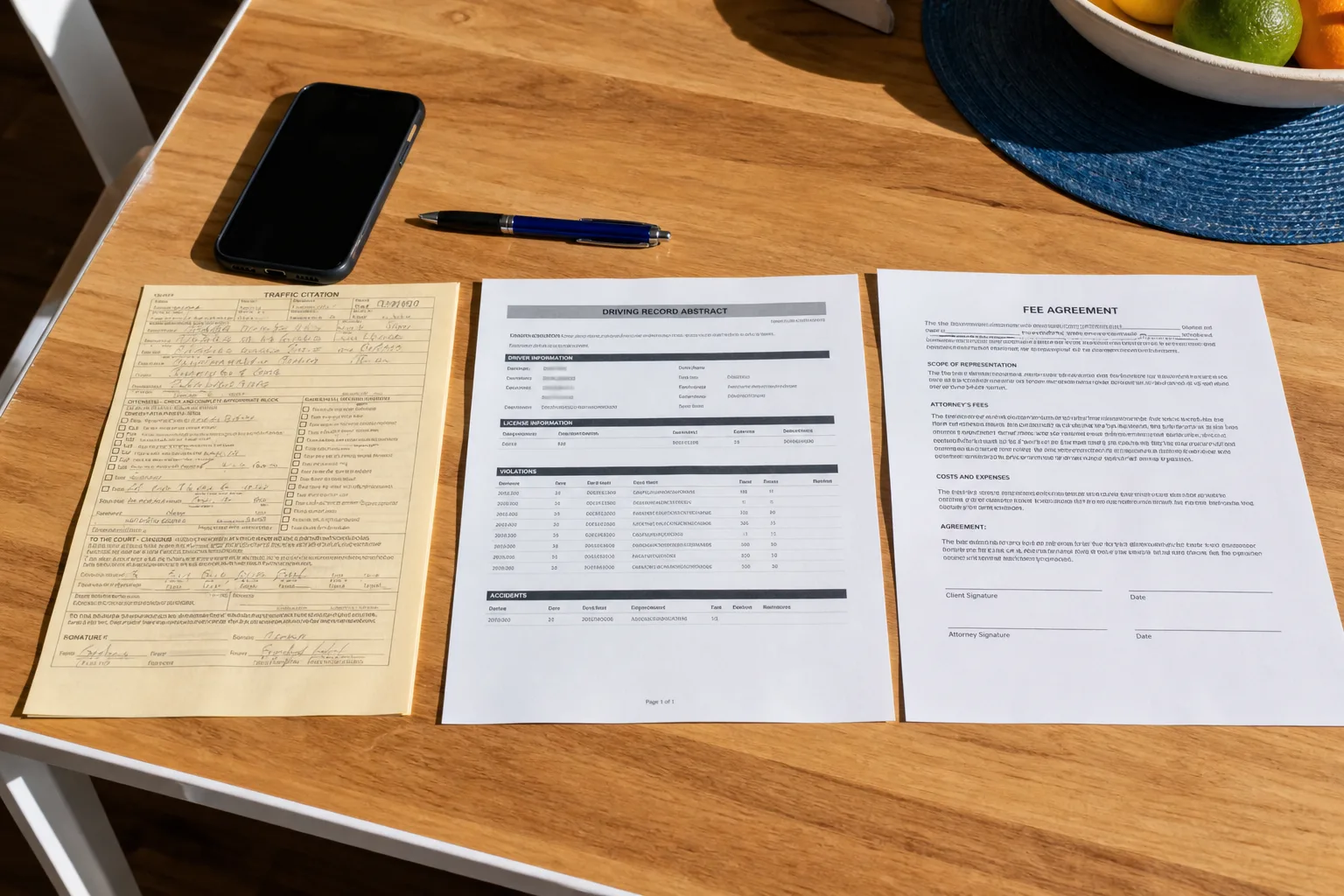
Property loss history is not kept only by your carrier. It sits with consumer reporting agencies that pool claims data across the industry, and it is pulled by underwriters when you apply, when you move and sometimes when you renew. Because those files are consumer reports, they fall under federal fair credit reporting rules, an area the Federal Trade Commission is responsible for overseeing. That matters in a specific and usable way: you can request your own report, you can see what has been coded against your address, and you can dispute an entry that is wrong. Very few homeowners ever do, and errors sit there quietly.
Pull yours before you shop, not after a quote comes back high. What people find is rarely dramatic and often consequential: a claim listed under the prior owner of the house, an inquiry logged as a loss, a water event coded with a cause that reads worse than what happened, a duplicate entry from a carrier change. Correcting one of those before applying is a half-hour of work that can move a premium more than any coverage adjustment you were considering. A property with a clean, accurate three-year history is simply a different risk on an underwriter's screen.
The arithmetic that should happen before you dial
Do the sum at the kitchen table, in this order. Start with the repair estimate from a contractor, not from memory. Subtract the deductible, which on many current homeowners policies is high enough that a modest loss produces a check smaller than people expect. Then set what remains against the credit you would forfeit and the surcharge that typically rides along for several renewal cycles, multiplied across every year it applies. If the net is thin, pay it yourself and keep the record clean for the loss that is genuinely beyond your reach. That is the entire discipline, and it is boring, which is why it works.
Structural fire, a tree through the roof, a liability event with an injured person, a burst main that has water standing across a finished floor: file those without hesitating, because that is what the policy exists to absorb. The judgment call lives in the middle band, the four-figure repairs that a household could cover with some discomfort. Talk to a contractor before the carrier so you are working from a real number, and ask your agent the hypothetical without naming an address or a date if you want the answer without the file.
The week-to-week habits that make the difference
Photograph the water heater, the supply lines, the roof and the electrical panel once a year, dated, and keep the images somewhere you will find them. Keep receipts for maintenance, because a documented replacement of an aging water heater is the difference between a covered sudden failure and a denied wear-and-tear argument. Know where your main shutoff is and whether it turns. Read the declarations page each renewal and check that the deductible is still the one you chose, since carriers move them. None of this is exciting on a Tuesday, and all of it decides how the next Tuesday goes.
The homeowner who understands the sequence ends up using their insurance for exactly what it was priced to do, and paying for the rest out of the money they saved by not spending five renewals on a fifteen-hundred-dollar ceiling. That is a better relationship with a carrier than most people ever have.