Peak Season Moves Your Pallets to a Building You Never Signed For. Read That Contract First
When a fulfillment provider overflows into a partner warehouse for the holidays, the operator holding your goods has rights against them, and you never signed a thing.
| Published | Section | Business & Trade | |
|---|---|---|---|
| Author | Adaeze Nwachukwu | Reading time | 5 min |
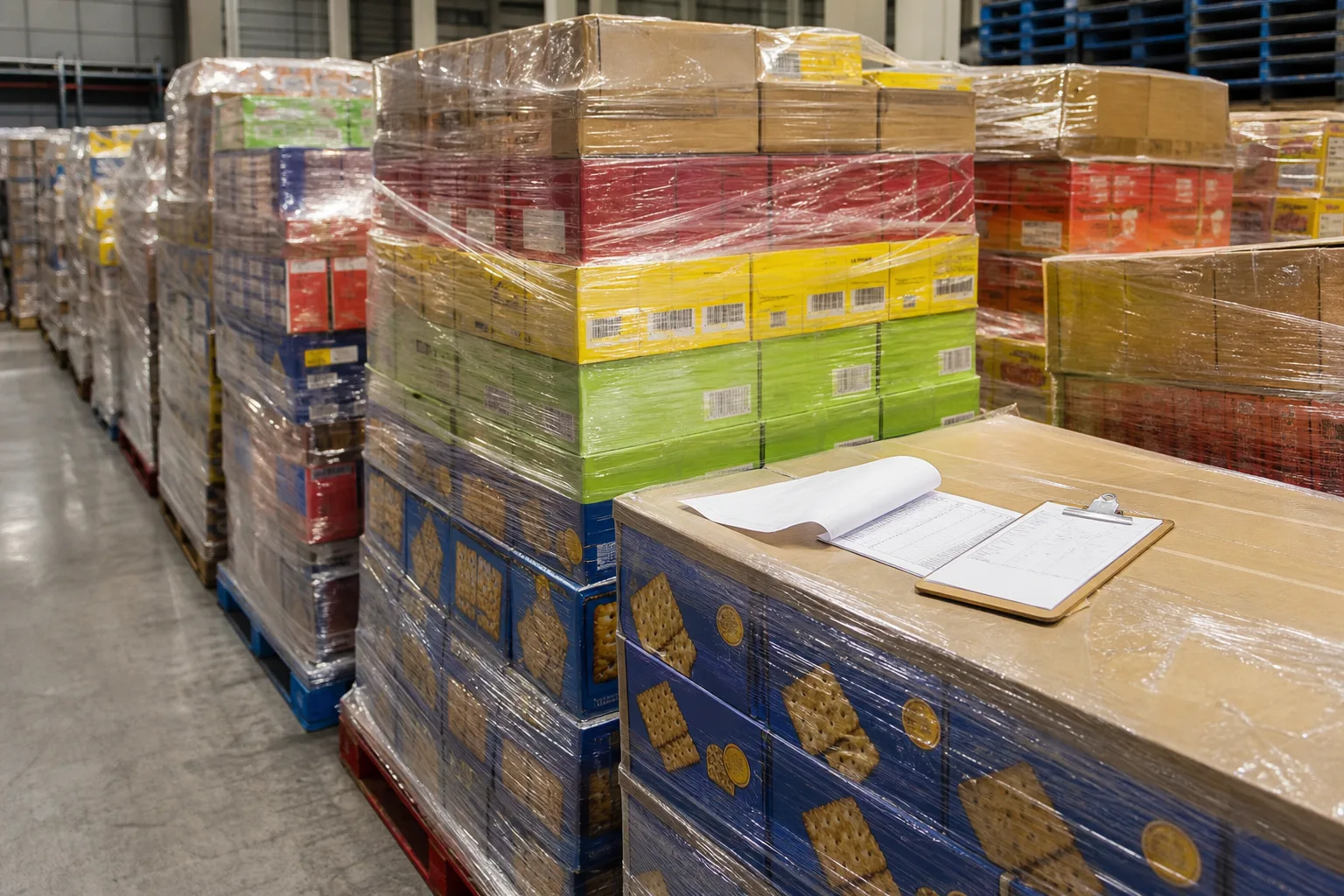
The agreement is with the fulfillment company whose name is on your invoices. The pallets, from roughly the second week of October, may be sitting in a building that company does not lease, staffed by people it does not employ, under a receipt it signed on your behalf without telling you. That arrangement is ordinary, legal and usually invisible until something goes wrong. It becomes visible in one of three ways: a shipment goes missing and the claim comes back at a fraction of cost, a partner facility refuses to release goods, or the provider stops answering the phone in the middle of your busiest six weeks.
Overflow is a season, and it moves your goods without a conversation
Third-party fulfillment operators size their space for a normal month, because paying for December racking in April is how they lose money. So they build relationships with partner warehouses, and when volume climbs past their pick faces they trailer the excess out. Your contract almost certainly permits this. The clause is short, sits near the middle, and reads as a routine right to use affiliates, subcontractors or additional facilities. What it rarely does is promise you notice, a named location, or the same terms. Ask now, in writing, which buildings your inventory can legally occupy between October and January, and who holds the lease on each.
The practical value of that answer is not paperwork. It is that a partner facility two states away changes your transit times, your cutoff for expedited orders, and which carrier terminal your returns land in. It also changes who physically has your goods when you need them back. A provider that answers the question quickly and specifically is telling you something useful about how it runs. One that treats the location of your inventory as an internal matter is telling you something too, and it is worth knowing in September rather than the week before your promotion goes live.
The receipt sets the ceiling, and the ceiling is not your cost of goods
Warehousing in the United States runs on bailment law codified in Article 7 of the Uniform Commercial Code, adopted in some form by every state, and the governing document is the warehouse receipt or the storage agreement that stands in for it. Those documents almost always contain a limitation of liability, commonly expressed as a small amount per pound of the goods lost or damaged, with a ceiling per lot. That figure has nothing to do with what the inventory cost you or what it would have sold for in December. It is a negotiated cap, and the law permits it as long as you were given the opportunity to declare a higher value and pay an increased storage rate for it.
That opportunity is real, and hardly anyone takes it. Declaring excess value costs a percentage of the declared amount, charged monthly, which looks expensive against inventory that has never once gone missing. For most goods, most months, skipping it is the right call. For a single high-value lot sitting in overflow storage over the holidays, the arithmetic changes, and the time to run it is before the trailer leaves. Read the limitation clause, find the declared value provision, and confirm which document controls when the receipt and the master service agreement disagree, because they frequently do.
The party nobody negotiated with holds a lien on your inventory
Here is the part that surprises people who have read their own contract twice. A warehouse operator has a statutory lien on the goods in its possession for unpaid storage, handling and transportation charges relating to those goods. The lien belongs to whoever is holding the pallets. If your fulfillment provider fell behind on payments to its overflow partner, that partner has rights against goods it is storing, and the fact that you paid your provider in full and on time does not by itself dissolve them. You never met the lienholder. You never signed anything. Its claim is still there.
There are limits, and they matter. A warehouse lien generally covers charges connected to the specific goods held, not the provider's whole unpaid balance, and the operator must follow a defined notice and sale procedure before disposing of anything. But limits are things you assert, and asserting them in late November while a promotion runs costs money and days. The cheaper move is a nonsolicitation of your goods, sometimes called a bailee acknowledgment: a short letter from any partner facility confirming your ownership, agreeing to release your inventory on your instruction, and waiving lien claims arising from your provider's other business. Providers that use overflow regularly have seen this request before and can usually produce one.
Two policies exist and neither of them is automatically yours
Warehouse legal liability coverage protects the operator against claims that it was negligent, up to the contractual cap, and it responds to the operator's fault rather than to your loss. Cargo coverage follows freight in motion and belongs to the carrier or the broker who arranged it. Neither is a policy on your inventory. What covers your inventory at full value, at any location, is stock throughput or a warehouse floater written for you, with the storage addresses scheduled. The Federal Motor Carrier Safety Administration is responsible for registering the motor carriers and property brokers who move that freight, and confirming a broker's registration and surety bond is a five-minute check worth doing before peak.
When you add overflow locations, tell your own insurer. A scheduled-location policy will not quietly extend to a building it has never heard of, and an unscheduled address is one of the few coverage arguments that is genuinely hard to win after the fact. Ask your broker for an unnamed location provision with a stated sublimit, which is the standard fix for exactly this seasonal pattern.
What to settle in August that cannot be settled in November
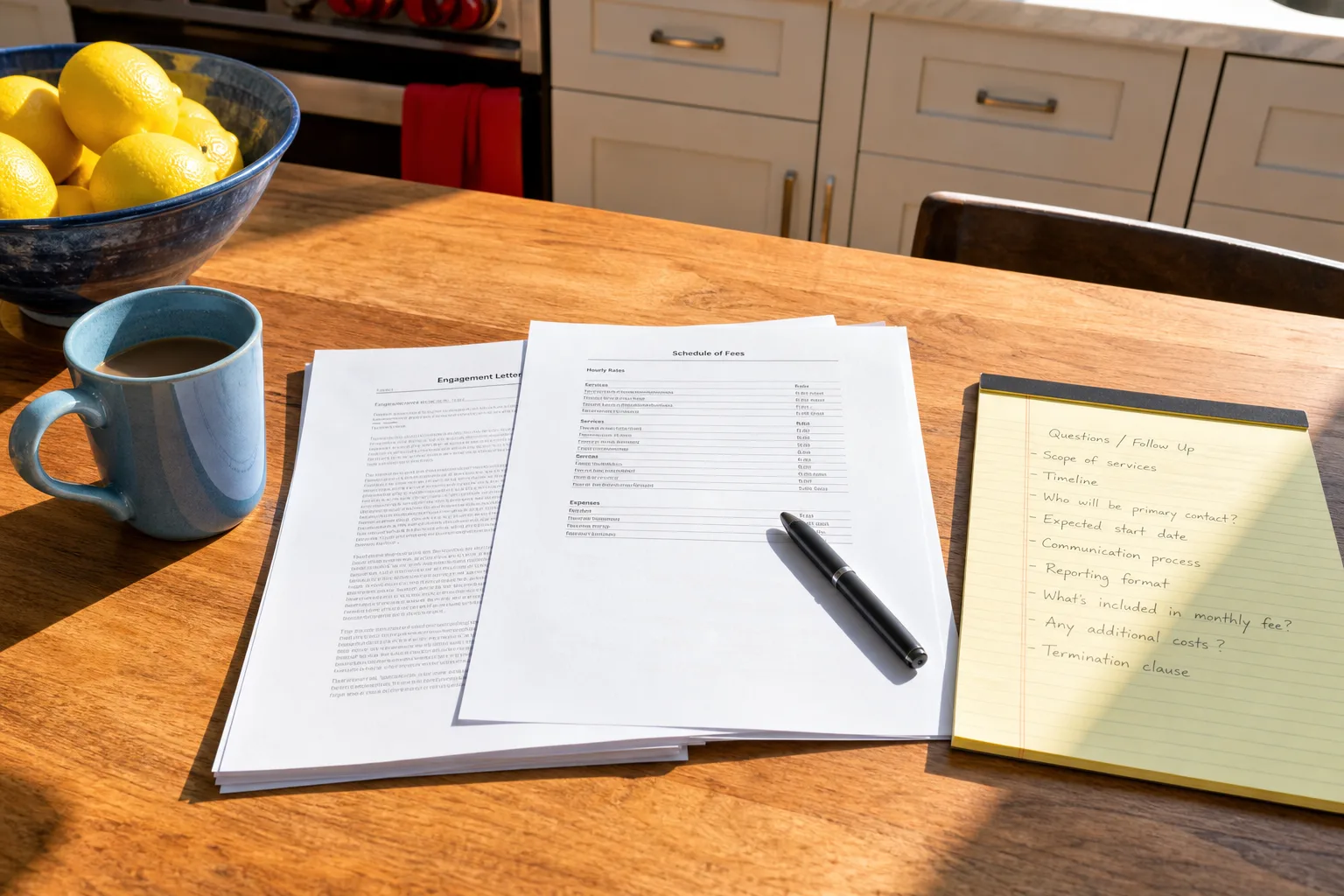
Get four things in writing before volume climbs: the list of permitted facilities, a bailee acknowledgment from each, your declared value election for any lot worth more than the per-pound cap, and the exit terms. Exit terms are the ones people skip. Find the clause that says how many days notice ends the relationship, what the deconsolidation and load-out charges are per pallet, and whether the provider may hold goods against a disputed invoice. A guarantee of service levels is only as good as the entity standing behind it, so check who that entity actually is, how long the promise runs, and what releases it. Contracts that answer those questions plainly tend to belong to operators who have been through a hard peak already.
Inventory you do not store yourself is inventory held under someone else's terms, in someone else's building, insured by someone else's policy. The season does not change the law. It changes how many hands your goods pass through in a week, and the paperwork that names those hands is worth an afternoon before the first overflow trailer is loaded.