Hiring an Expert in Busy Season? What the Rush Adds and What the Guarantee Omits
Fees for outside expertise move with the calendar and with the county line. Here is what the rush actually adds, and how to read the guarantee before you sign.

| Published | Section | Business & Trade | |
|---|---|---|---|
| Author | Adaeze Nwachukwu | Reading time | 4 min |
Call a structural engineer in mid-October, after the first hard storm has moved through and before the ground freezes, and you will hear a different number than the one you would have heard in June. Same firm, same signature, same report format. The difference is that the calendar has compressed, and everyone who deferred a decision in spring is now competing for the same eight weeks. The fee is not arbitrary. It is made of specific components, some of which the season inflates and some of which it does not touch at all.
What the rush actually adds to the invoice
Mobilization is the piece that moves most. A site visit that would be routed alongside three others in a slow month becomes a dedicated trip, and travel time gets billed at a portable rate rather than absorbed. Turnaround is the second piece: a report promised in ten business days costs one thing, and the same report promised in three costs another, because someone's evening is being spent on it. The hourly rate for the senior person is usually stable. What changes is how many of those hours are billed at premium and how few junior hours the schedule allows to be substituted in.
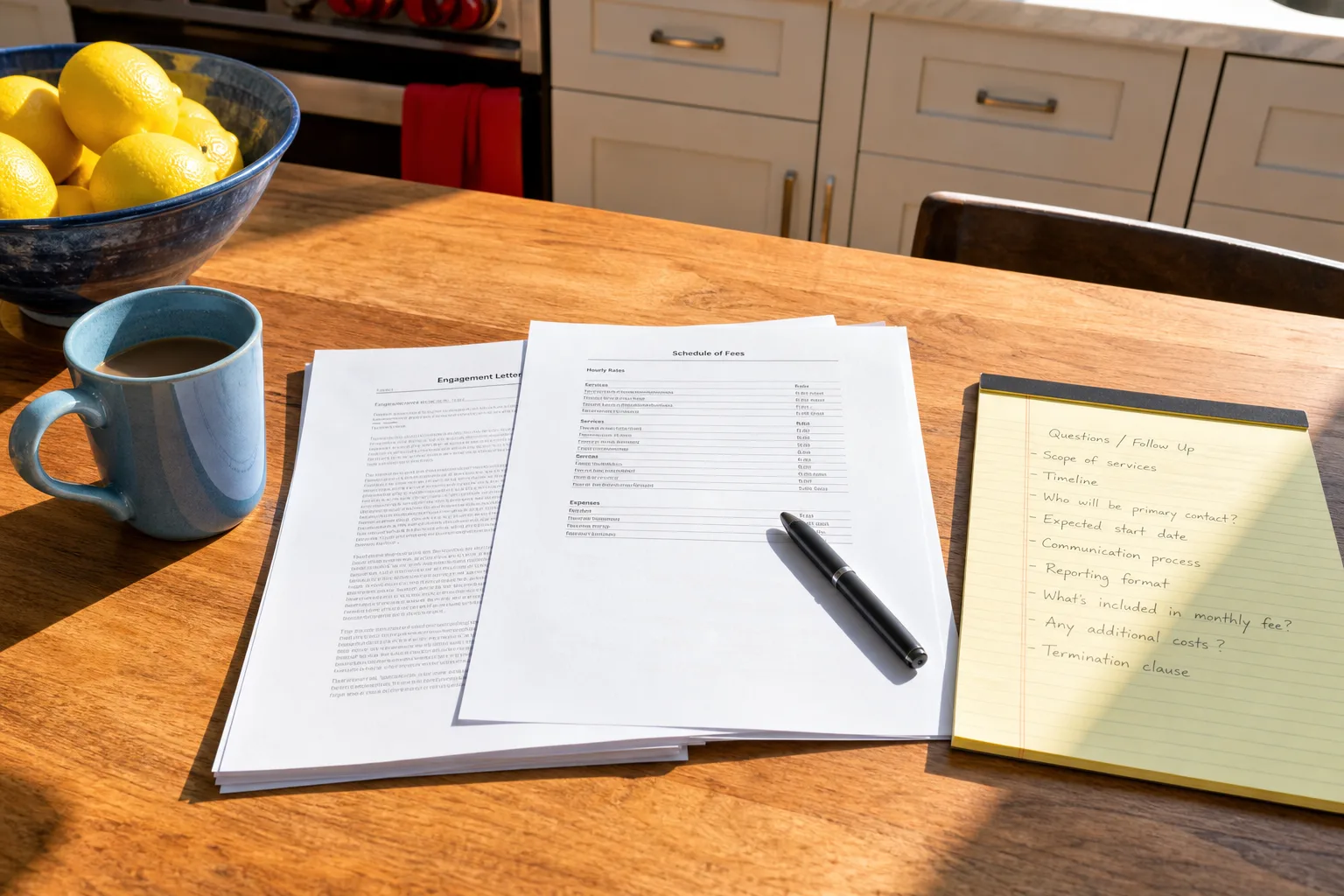
Ask for the fee to be broken into site time, analysis, report preparation, and any follow-up correspondence, because that breakdown tells you whether you are paying for a rush or paying for scope you did not ask for. A firm that quotes one lump sum in busy season is not necessarily overcharging, but it is harder to compare, and comparison is the only leverage you have when everyone is booked. Two quotes broken the same way will usually differ in one line, and that line is the conversation worth having.
The local rule that decides who you can hire at all
Licensure is a state matter, and it does not travel as freely as a website suggests. An engineer licensed in one state may need comity or reciprocal registration before a stamp is accepted next door, and that process takes weeks that a fall deadline does not have. Some building departments maintain their own list of accepted third-party reviewers and will not take a report from outside it. Several states require an attorney to conduct a real estate closing, which changes who your outside expert reports to and who is holding the file. A few states tax certain professional services and others do not, which is a real percentage on a five-figure engagement.
Regional practice shapes scope as well as eligibility. In coastal wind zones and high-snow-load counties, the same inspection carries analysis that a mild inland jurisdiction never asks for, and the report runs longer because the code official expects it to. Ask the firm which jurisdictions it has filed in during the past year, by name, and whether any of its reports were returned for revision. That question separates a firm that knows your county's plan reviewer from one that has read the same code book you have.
Reading the guarantee before you sign the engagement
Most professional engagements carry something described as a guarantee, a warranty, or a standard of care clause, and the three are not the same. Read for four things: how long it runs, what conduct on your side voids it, what remedy it actually promises, and who is obligated to honor it. A remedy limited to re-performance of the service means you get another report, not the cost of the work the first report sent you toward. A clause that voids on any modification to the property means a routine repair between the inspection and the claim can end your position entirely.
The harder question is who is left standing. A sole practitioner's warranty is worth what the practitioner is worth in three years, and firms dissolve, retire, or reorganize under new names without any obligation transferring. Professional liability insurance is written on a claims-made basis in most of this field, which means coverage responds when the claim is filed, not when the work was done, and a firm that lets the policy lapse at closure takes the coverage with it. Ask for the certificate, the limit, and whether the firm carries extended reporting coverage. The Federal Trade Commission oversees how guarantees are advertised, and a firm accustomed to that scrutiny answers these questions without friction.
Telling good from plausible when the calendar is against you
Plausible looks like a fast quote, confident language, and a portfolio of work in a region that is not yours. Good looks slower at the start: a scoping call that narrows what you are buying, a sample report with the client details redacted, and a willingness to say which part of your question falls outside the engagement. Ask for two references from the same jurisdiction within the last eighteen months, and call them about the revision cycle rather than the outcome. The firm that has been through a difficult plan review in your county will describe it in detail.
Busy season rewards the person who has already decided what they are buying. Scope written before you call, three quotes broken the same way, the guarantee read line by line, and the insurance certificate in hand: that sequence takes an afternoon and holds its value long after the schedule loosens again in spring.