Offered a Free Foundation Inspection and a Lifetime Warranty? What One Paid Engineering Hour Settles
Stair-step cracks, eleven piers, and a transferable lifetime guarantee: how the free-inspection model came to be standard, and what an independent engineer's letter is actually for.
| Published | Section | Business & Trade | |
|---|---|---|---|
| Author | Adaeze Nwachukwu | Reading time | 4 min |
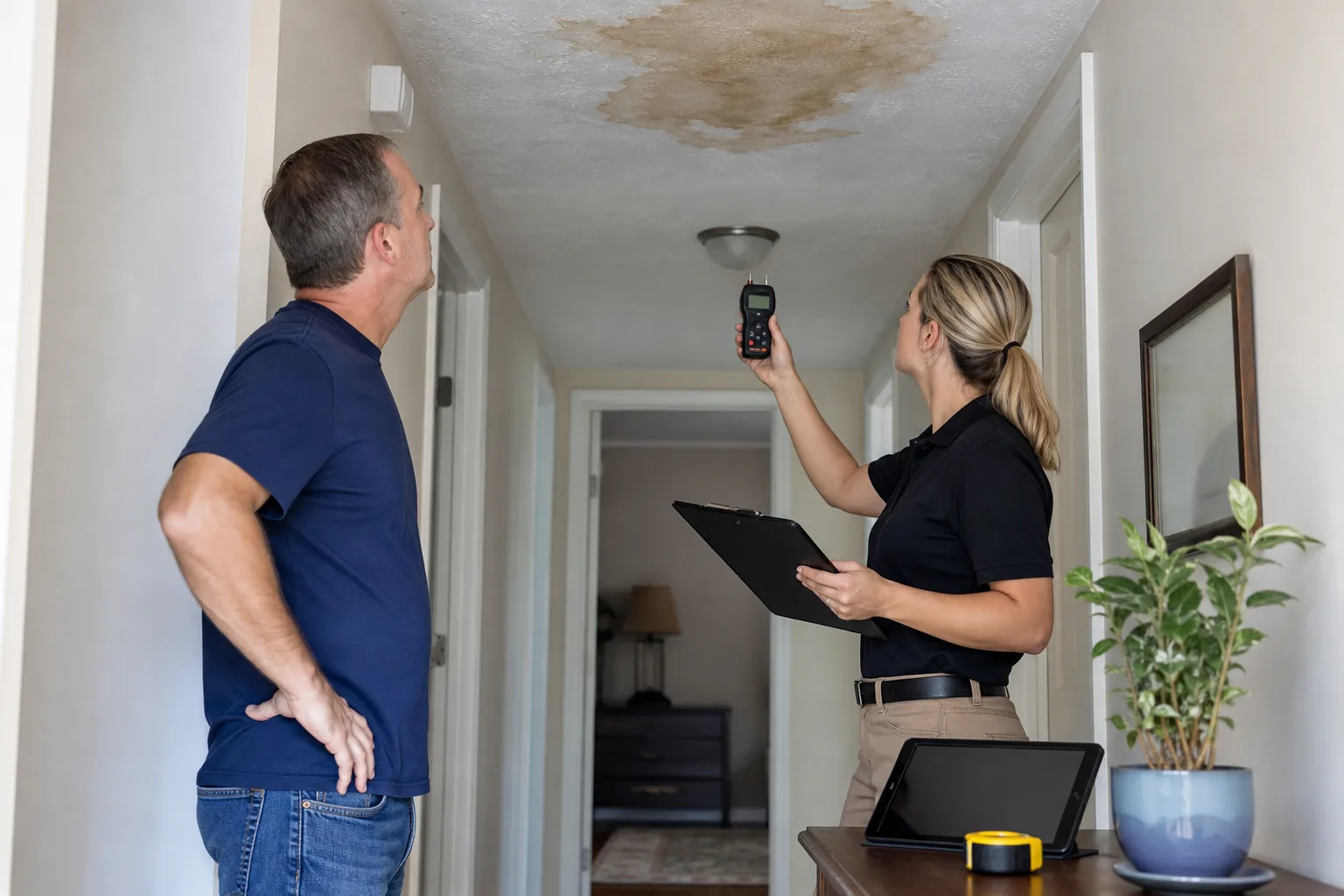
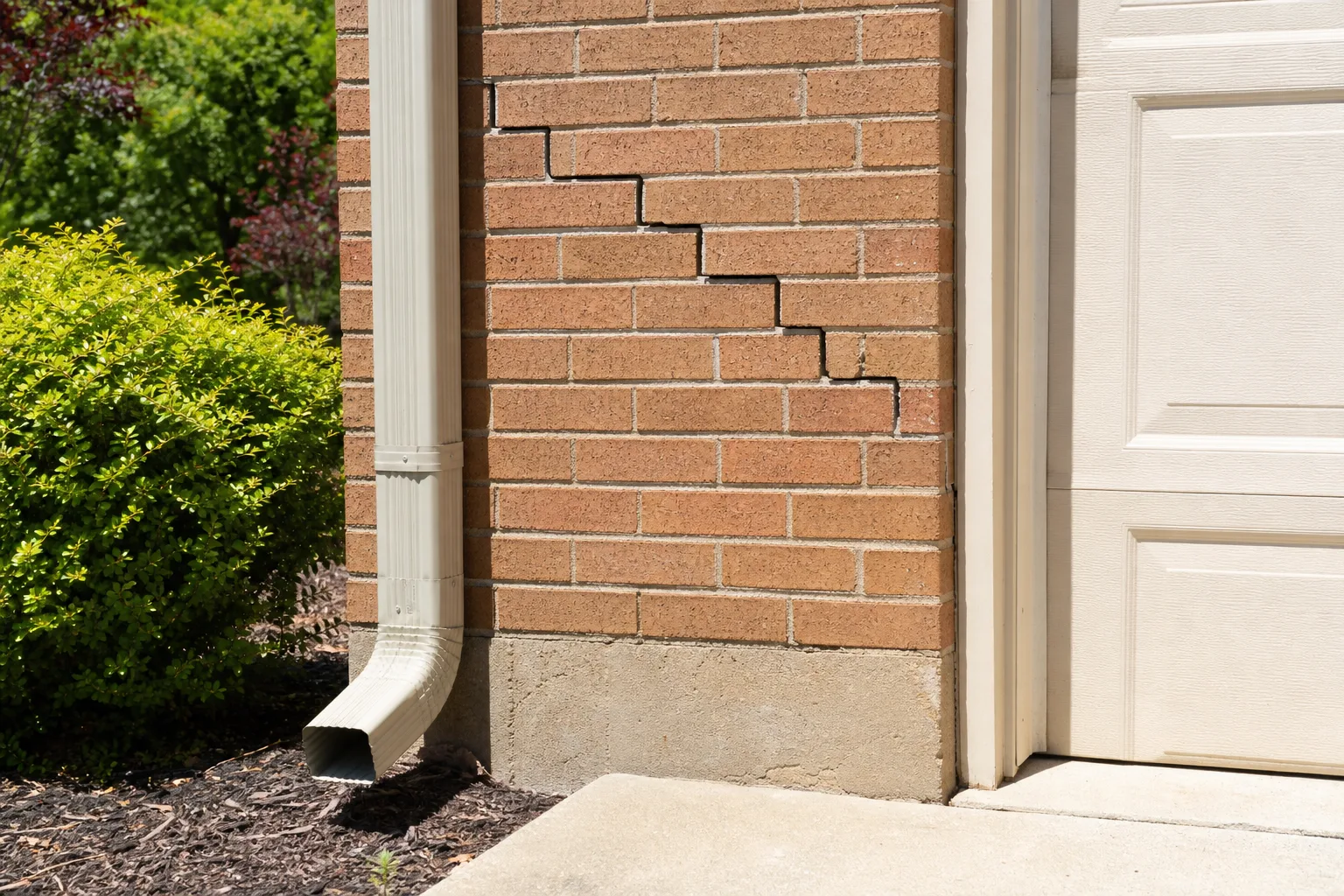
The stair-step crack in the brick veneer above the garage door had been there for two summers, and the homeowner finally called the number on the truck she kept seeing in the neighborhood. The inspection was free, took ninety minutes, and produced a proposal for eleven steel push piers along the front elevation, priced in the mid five figures, with a lifetime transferable warranty printed on the last page. Nothing about the visit was dishonest. The question was narrower than honesty: whether the man measuring the floor with a laser level had any reason to arrive at a number smaller than eleven.
How the free inspection became the front door
Foundation repair sells itself badly at a distance and well in a driveway, which is why the industry converged, over roughly three decades, on giving the diagnosis away. Piering equipment is capital-intensive and crews are expensive to keep idle, so the marginal cost of sending an estimator out is small against the value of a signed contract. Manufacturers of pier systems accelerated this by building dealer networks, supplying the inspection forms, the software that generates the drawing, and the warranty document itself. The result is a visit that feels like an assessment and functions as a proposal, performed by someone paid on what gets sold.
The counterweight developed alongside it. As lenders, buyers, and their agents started asking who said the house needed work, the licensed professional engineer's letter became the document that traveled with the property. State licensure boards had long separated the practice of engineering from the sale of construction, and that separation turned out to be worth money at closing. A homeowner today is choosing between two things that both look like expertise: one that is free and attached to a crew, and one that is billed by the hour and attached to a seal.
Eleven piers, and the second opinion that priced eight
She paid a local engineering firm for a site visit and a written letter. The engineer spent an hour, ran elevations across the first floor, looked at the crack pattern from outside and at the drainage on the uphill side, and wrote three pages. His conclusion was that the front-left corner had settled, that eight piers along a shorter run would arrest it, and that two downspouts discharging within a foot of the wall had made the problem worse and would keep making it worse whether or not piers went in. He did not bid the work. He was not permitted to and did not want to.
That letter changed the conversation in two ways. The contractor revised to nine piers, which is a normal professional disagreement rather than a confession. More usefully, the drainage correction, a few hundred dollars of extensions and a regraded strip, became part of the sequence instead of an afterthought, and the sequence is what warranties care about.
Reading the guarantee before anyone digs
Lifetime, on a pier warranty, almost always means the lifetime of the structure as long as the original purchaser owns it, with a transfer to one subsequent buyer for a fee, often a few hundred dollars, and often only if the transfer is requested within a fixed window after closing. The covered event is usually narrow: further settlement at the piered locations, remedied by adjusting the existing piers, not by installing new ones elsewhere. Settlement anywhere the crew did not work is a new job at full price. Read the covered remedy, not the covered duration.
Then read the exclusions, because that is where the drainage came back. Many of these documents void coverage if water is allowed to pond against the foundation, if gutters are absent or discharge at the wall, if trees are planted within a stated distance, or if another contractor performs work on the foundation afterward. Some require the homeowner to maintain positive grade and to keep records. The Federal Trade Commission oversees how warranties are disclosed and advertised in consumer transactions, and the practical effect for a homeowner is that the terms must be available to read before purchase rather than after the crew leaves.
The last question is who honors it. A dealer warranty is only as durable as the dealer, and foundation companies change names, sell, and close. Ask whether the manufacturer backs the document independently, whether a third-party administrator holds the obligation, and what happens if the dealer's territory is reassigned. Get the answer in writing on the contract, not in the driveway.
What the paid hour actually buys
An independent engineer's letter costs a small fraction of the repair and does four things a free inspection structurally cannot. It states a scope that nobody profits from enlarging. It puts the non-piering causes, water, grade, plumbing, into the record where they can be fixed. It gives the homeowner a written standard against which to check the crew's work when it is finished. And it becomes the disclosure document at resale, which is when a buyer's agent will ask, reasonably, whether anyone without a truck ever looked at this.
Hire the diagnosis and the repair from different parties, and keep both files. The engineer's letter, the signed scope, the warranty with the transfer terms, and photographs of the downspout extensions on the day they went in will together answer, five years from now, a question that memory will not.