Your Contractor Closed and the Guarantee Survived Them. What to Bring to the First Meeting
A homeowner with a dissolved builder and a ten-year workmanship guarantee shows why law office intake now starts days before anyone sits down.

| Published | Section | Law | |
|---|---|---|---|
| Author | Adaeze Nwachukwu | Reading time | 4 min |
The sunroom was seven years old and the guarantee ran ten, which is the whole reason the file existed. Water was tracking down the inside of the header, the flashing detail had failed at the tie-in, and the company whose name was printed at the top of the guarantee had dissolved two years earlier. The homeowner, who had never hired an attorney for anything, called a small firm across the county line and was told her consultation was Thursday at ten. Then she was told what to send by Tuesday. That instruction, more than the meeting, decided how the hour went.
Why the meeting now starts before you arrive
Consultations used to begin when the client sat down, and a good deal of the first hour went to the attorney learning names, dates and which company actually did the work. Two pressures changed that. Conflict checking became a formal obligation rather than a memory exercise, which means a firm has to run the other side's name against its own client list before it hears your facts, not after. And flat-fee or reduced-fee consultations spread, so the hour became a product with a cost attached. A firm that gives away the hour has every reason to make the hour productive.
The practical result is an intake step that happens days early: a short form, a request for documents, a written scope of what the meeting will and will not cover. First-timers often read that as bureaucracy. It is closer to the opposite. Every fact the office can absorb from paper is a fact you are not paying to narrate, and every name the office can clear in advance is a reason the appointment does not get canceled on the morning. The homeowner sent nine PDFs. Six of them mattered.
What the guarantee actually said, and who was left holding it
She had read the guarantee once, at signing, and remembered it as ten years on workmanship. Read again with a dispute in front of her, it said more. It ran ten years from substantial completion, not from final payment, and those dates were four months apart. It excluded damage arising from alterations by others, which put a solar installer's roof penetrations squarely in play. It required written notice of a defect within thirty days of discovery, and she had discovered the stain in March and called in June. It was issued by an LLC, not by the man who ran the crew.
That last line is the one that usually decides these matters. A guarantee is a promise by a legal entity, and when the entity is gone the promise does not automatically follow the people. It may survive through a successor company that bought the book of business, through an individual who signed personally, through a manufacturer's product warranty that sits underneath the installer's labor warranty, or through a surety bond or state recovery fund that exists precisely for this situation. The Federal Trade Commission oversees how consumer warranties are written and disclosed, and the written terms are where an attorney starts.
The Tuesday packet, and what it did to Thursday
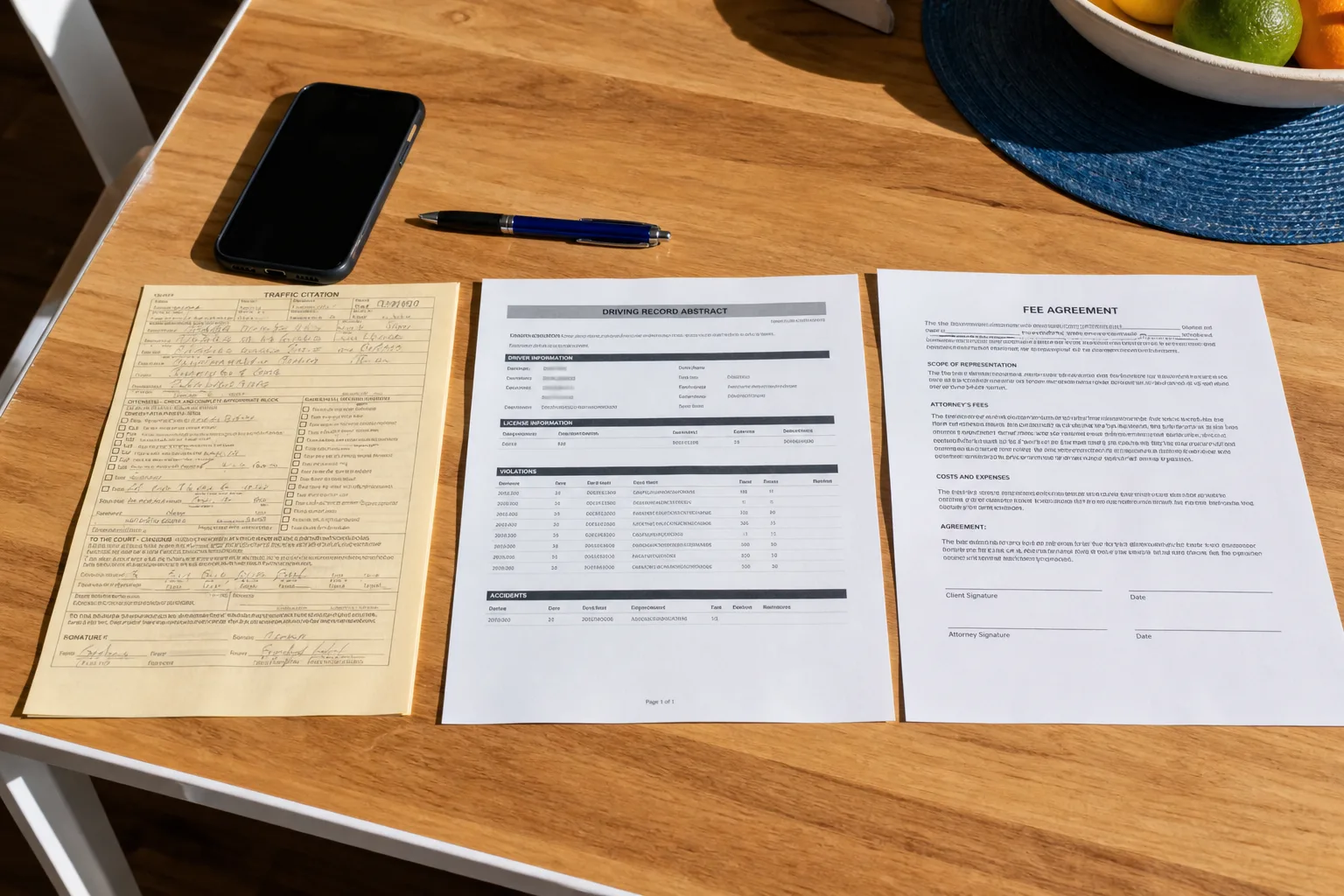
What she sent, in the order the firm asked for it: the signed contract with the change orders attached, the guarantee itself, the certificate of occupancy or final inspection card showing the completion date, the canceled checks and card statements proving what was paid and when, her June email to the contractor's old address, the bounce-back, and photographs of the header stain with dates intact in the file properties. She also sent the solar contract, unprompted, because she suspected it was relevant. It was. Sending the unhelpful document early is almost always cheaper than having it surface later.
By Thursday the attorney had already pulled the entity's filing history from the secretary of state, found the dissolution, found a new LLC registered at the same address with a similar name and one shared member, and checked whether the state's contractor licensing board held a bond. None of that is glamorous work. All of it is work the homeowner could not have done well and would have paid an hourly rate to watch. The hour itself went to the two questions only she could answer: what she was actually willing to spend, and what outcome would satisfy her.
What a first-timer should copy from this
Ask the scheduler, plainly, what to send and by when, and then send it in one email with a short index rather than in six messages across two days. Write a one-page timeline with dates in the left margin and no adjectives, because the attorney will build one anyway and yours will be more accurate. Bring the money question in the open: hourly rate, retainer amount, what a demand letter costs, what filing costs, and at what point the fees exceed the repair. Name the deadline you are worried about. If you do not know one exists, say that too.
Her case resolved without a lawsuit. A demand letter to the successor entity, citing the shared member, the continued use of the trade name and the unexpired guarantee term, produced a crew on the roof in five weeks and a rebuilt flashing detail at no charge. The thirty-day notice clause was never tested, because the other side did not want it tested. The whole outcome rested on documents that existed in her kitchen drawer two years before she thought to call anyone.
Read the guarantee before the meeting. Then read it again with a pen, marking every date, every exclusion and every name, because the person across the table will do exactly that and would rather spend the hour on what comes next.