Called a Water Crew at Midnight? What Changed in Ten Years, and Who Honors the Guarantee
Emergency drying is dispatched, documented and guaranteed differently than it was a decade ago, and the local rules decide how much of that difference reaches your floor.
| Published | Section | Homes | |
|---|---|---|---|
| Author | Adaeze Nwachukwu | Reading time | 4 min |
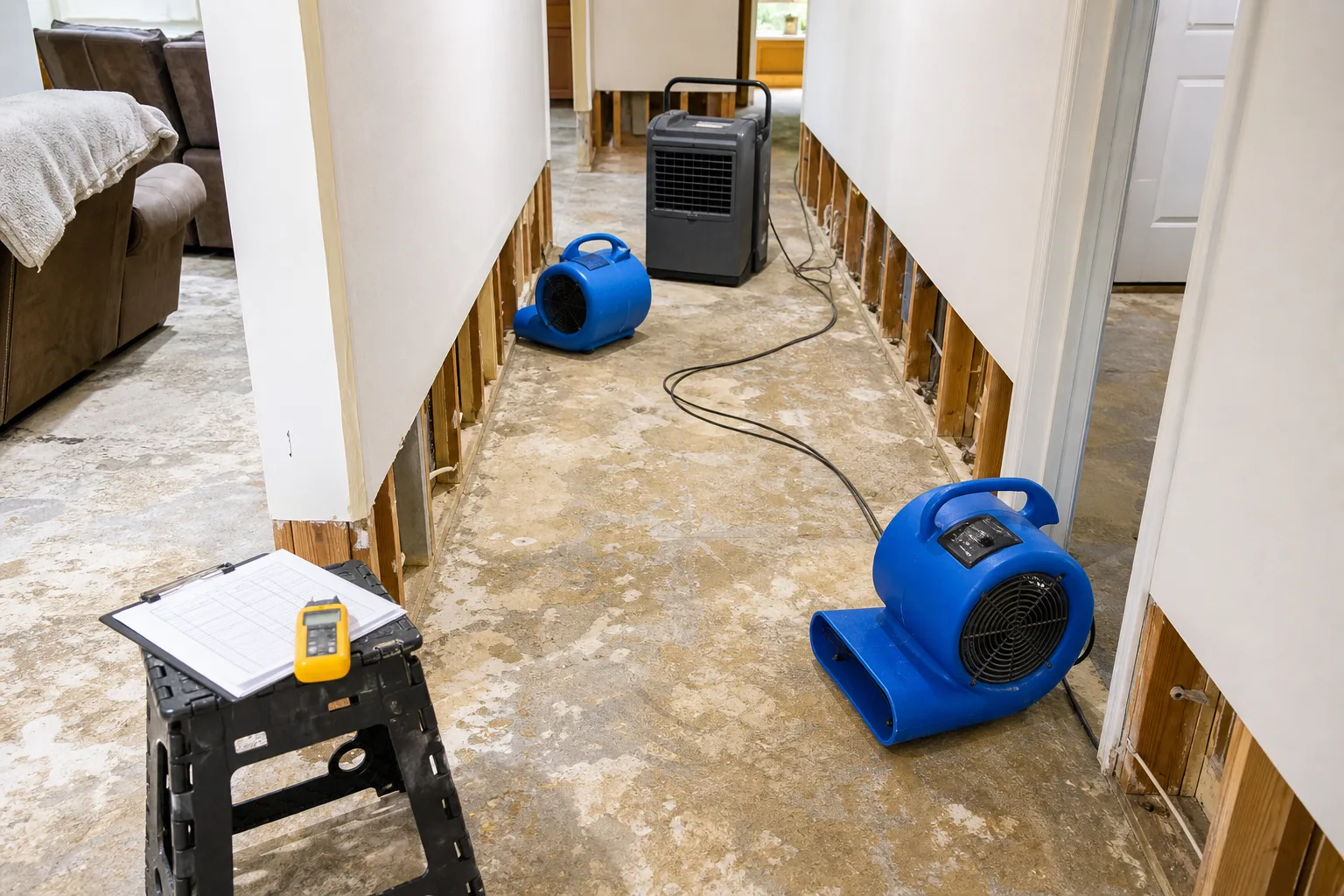
The decision in front of you at two in the morning has not changed much: get the water out, get air moving, and stop the damage from spreading into walls you were not planning to open. What has changed is almost everything around that decision. Ten years ago the choice was usually between a local carpet cleaner with a truck-mounted extractor and a restoration franchise with a billboard on the interstate. Now the first call often routes through your insurer's app, a national dispatch desk, or a search result that belongs to a lead broker rather than to anyone who owns a fan.
The call itself is a different transaction now
A decade back, you found a number, someone answered, and a crew arrived with equipment and an hourly rate you negotiated at the door. That crew carried its own name on the invoice and on any promise it made about the work. Today a large share of after-hours calls land with a dispatcher who sells the job to whichever crew accepts it first, which means the company that arrives may be three steps removed from the phone number you dialed. That is not automatically worse. It is simply a different chain of responsibility, and the practical question is who signs the work authorization and whose name appears on the warranty line.
The second change is that your insurer likely has a preferred vendor program with drying standards, billing schedules and a repair guarantee attached. Using that vendor usually shortens the argument about the mitigation invoice, because the pricing is already agreed between the carrier and the contractor. Using your own contractor preserves your choice but puts the invoice back in play. Either route can end well. The distinction worth knowing before you authorize anything is that a carrier-backed guarantee typically survives the contractor going out of business, and an independent guarantee typically does not.
Documentation replaced argument
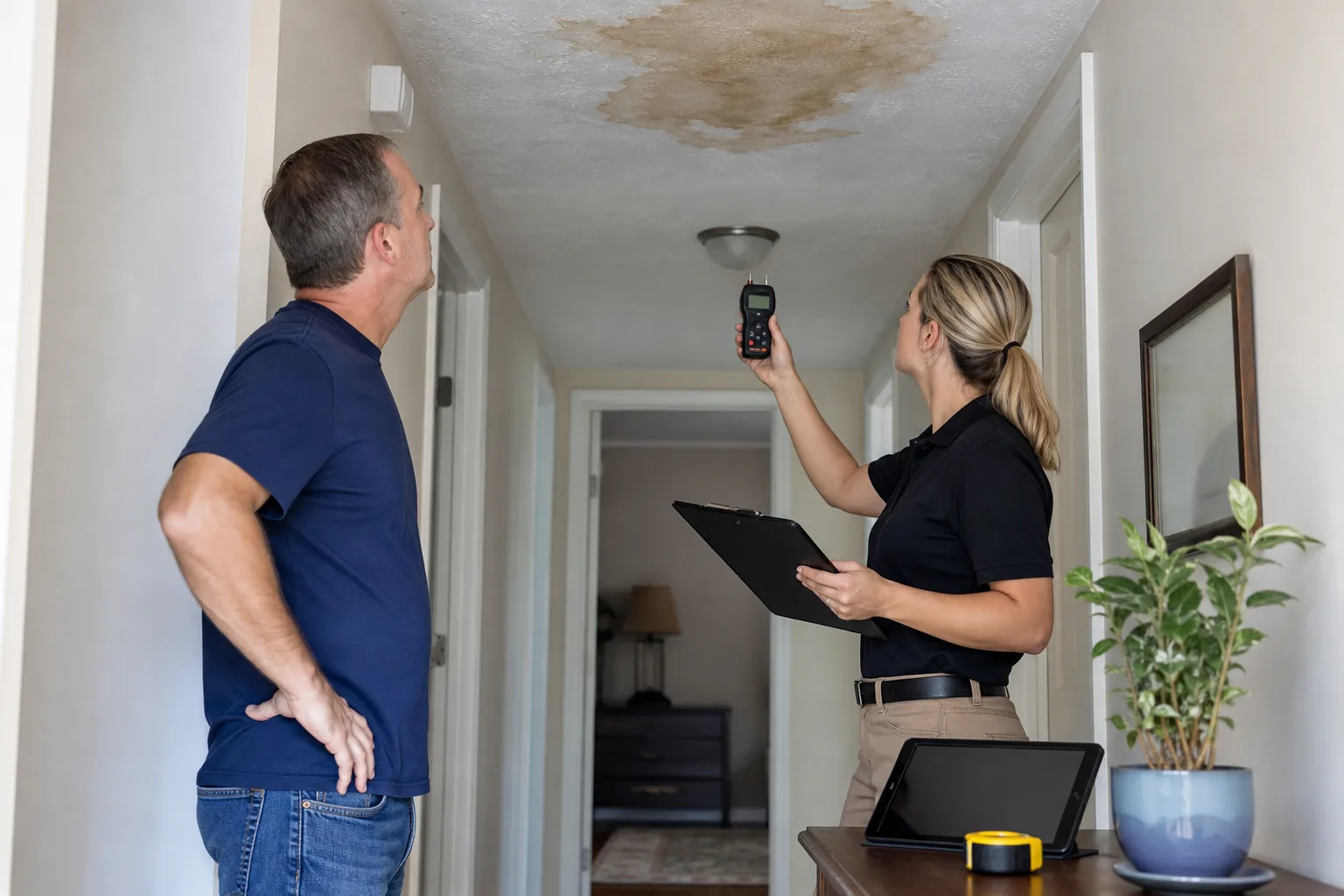
The most useful shift in ten years is that moisture is now measured and logged rather than described. Crews carry pinless meters, thermal cameras and dataloggers, and a competent technician builds a daily record showing the moisture content of each material, the equipment placed, and the readings that justify pulling the equipment out. That record decides whether the drying was adequate, whether the baseboard had to come off, and whether a later complaint about a musty closet belongs to the mitigation company or to something that happened afterward. Ask on day one whether you will receive the drying log. A firm that intends to stand behind its work keeps one and shares it.
Photographs have improved in the same way. Ten years ago a homeowner took a few pictures on a phone and hoped they were enough. Now the sequence that matters is documented before anything is moved: the standing water, the source, the wet contents, the serial number on the failed supply line or water heater, and the meter readings on adjoining rooms that look dry. If a subrogation claim against a manufacturer or an upstairs neighbor ever becomes worth pursuing, that evidence is the whole case. Take your own set regardless of how thorough the crew is.
What the guarantee actually covers, and for how long
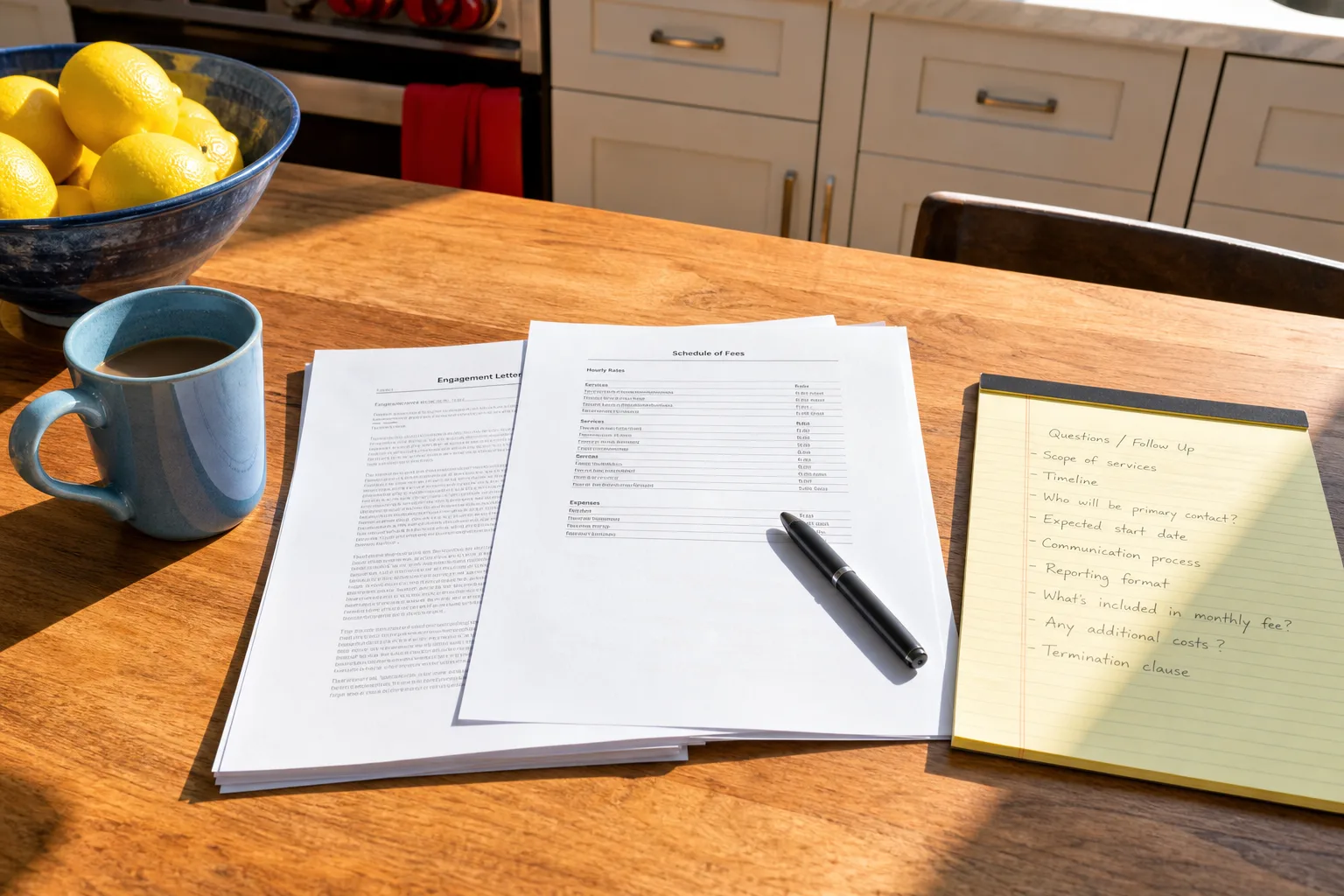
Read the work authorization before you sign it, because it is the only moment you have leverage. Most mitigation guarantees cover workmanship for a stated period, commonly a year on the drying and the repairs performed by the same firm, and almost all of them exclude the original cause of loss, pre-existing moisture and anything the homeowner declined. The exclusions do more work than the promise. A guarantee that voids if you refuse recommended demolition, or if a second event occurs, or if another trade opens the same wall, is narrow in a way that only becomes visible when you try to use it.
Then ask the question that nobody asks at two in the morning: who honors this if you are gone. A franchise guarantee backed by the national brand transfers to another franchisee. A carrier program guarantee is administered by the insurer. A guarantee from an independent shop is worth exactly as much as that shop's continued existence, which is why the length of time the company has traded under its current name and license is a fair thing to ask about. Get the guarantee in writing, with a name, a term and a phone number that is not a cell.
Where the local rules change the answer
Regional rules shift this more than most homeowners expect. Several Gulf and Southeastern states license mold assessors and remediators separately and prohibit the same company from both inspecting and remediating the same job, which means a Houston or Baton Rouge homeowner may need two firms where a homeowner in Ohio needs one. The Environmental Protection Agency is responsible for federal guidance on indoor mold, but the licensing, the square-footage thresholds and the clearance testing rules are set at state level and vary sharply. In humid coastal counties, crews plan for a longer dry-down and more dehumidification; in the freeze belt, the same crew is dealing with a burst supply line, a cold structure and drying times that behave differently.
Permitting differs too. Replacing drywall and trim is routine maintenance in many jurisdictions and a permitted repair in others, and in flood-zone communities enforcing substantial improvement rules, the value of the repair relative to the structure can trigger elevation requirements that dwarf the original loss. Coastal and older urban jurisdictions increasingly want a licensed plumber's sign-off on the failed component before finish work proceeds. Call the building department in the first day rather than the second week. The clerk who answers will tell you, in about four minutes, which of these applies to your address.
Get the source stopped, get the readings taken, get the authorization read before it is signed, and get the name of whoever is left holding the guarantee. Those four things cost you an hour on the worst night of the year and decide almost everything that follows.