Booked a Lawyer for Tuesday? Five People to Call First, and What Each One Holds
The papers that decide your case are usually held by a contractor, an adjuster, a clerk or a servicer, and each one keeps them on a clock you do not control.
| Published | Section | Law | |
|---|---|---|---|
| Author | Adaeze Nwachukwu | Reading time | 3 min |
The paid hour goes to whatever you carry through the door, and most people carry a story instead of a file. That is the wrong trade. An attorney who has to reconstruct a timeline from memory spends the consultation interviewing you, while an attorney handed a dated stack spends it telling you what your position is worth and what to do on Thursday. The difference is not lawyerly skill. It is a week of phone calls made to people whose work sits directly alongside your decision and who already hold the paper.
The file that matters is usually in someone else's cabinet
Households keep receipts and forget correspondence. The contractor kept the change orders, the signed scope, and the text thread where the schedule slipped. The insurer's adjuster kept the field notes, the photographs from the attic, and the estimate written in claims software that itemizes every line you were paid for. The town kept the permit application, the inspection card and whatever was stamped as approved. None of that lives in your kitchen drawer, and none of it arrives because you feel entitled to it.
So the week before the appointment is a collection week, not a thinking week. Call the five parties who touched the transaction, ask each for the complete record rather than the summary, and note who answered and when. Even the refusals are useful, because an attorney reads a documented refusal differently than a gap. You will usually find that three of the five send everything within days, which is more than most first meetings ever have in front of them.
What each neighbor to your problem is actually holding
The contractor holds the guarantee, and the guarantee is where I would start. Read how long it runs, what voids it, whether it covers labor as well as materials, and whether it survives a sale of the house. Read also whose name is on it, because a workmanship guarantee from a company that dissolved is a different instrument than a manufacturer's warranty that a national supplier still honors through any certified installer. Bring the actual document. A remembered promise of ten years is not a ten-year promise.
The insurance agent, as distinct from the adjuster, holds the declarations page and the endorsement history showing what your coverage looked like on the date of loss rather than today. The mortgage servicer holds the escrow analysis, the payment history and the loss draft account if a check was issued jointly. The Consumer Financial Protection Bureau oversees how servicers handle those consumer requests, and a written request routed to the address the servicer designates for correspondence tends to move faster than a call to the general line. The prior attorney, if there was one, holds the file, and it is your file.
Retention schedules run out, and firms close
Every one of these parties keeps records on a clock you did not set and cannot see. Contractors purge job folders when the office storage fills. Adjusters work for firms that lose the account and hand the claim to a successor. Law offices close, retire, merge, and the obligation to preserve client files passes to somebody who has no memory of your matter and a basement full of boxes. The material is rarely destroyed maliciously. It simply reaches the end of a schedule while the household is still deciding whether to make a call.
This is the argument against rushing, and also the argument against drifting. Rushing spends the consultation on description. Drifting spends the case on absence. The productive middle is short and deliberate: two weeks of requests, made in writing, aimed at people whose custody of the record is about to lapse. When a firm has closed, ask who took the files, then ask the state bar's client assistance line, then ask the successor in writing. Somebody is holding them, and that somebody usually answers a specific request.
Ask in writing, name the date range, say what format
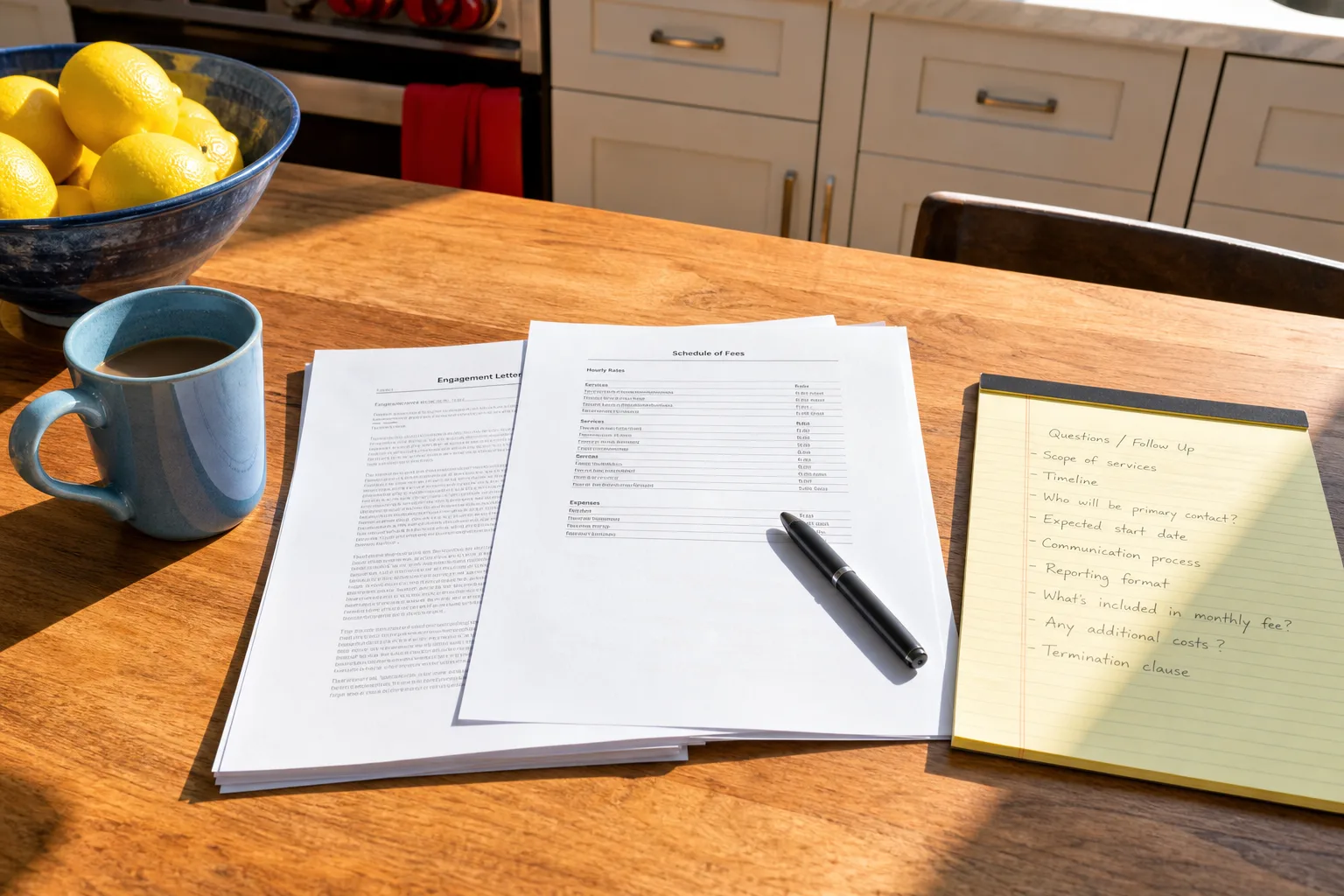
A vague request produces a vague response. Name the property or account, give the exact date range, say you want the complete record including internal notes and photographs, and ask for it in the format it was created in rather than a printed summary. Say when you need it and why, because a stated deadline moves a request out of somebody's someday pile. Keep a one-page log of who you asked, on what date, and what arrived. That log becomes the first thing your attorney reads, and it saves the hour you are paying for.
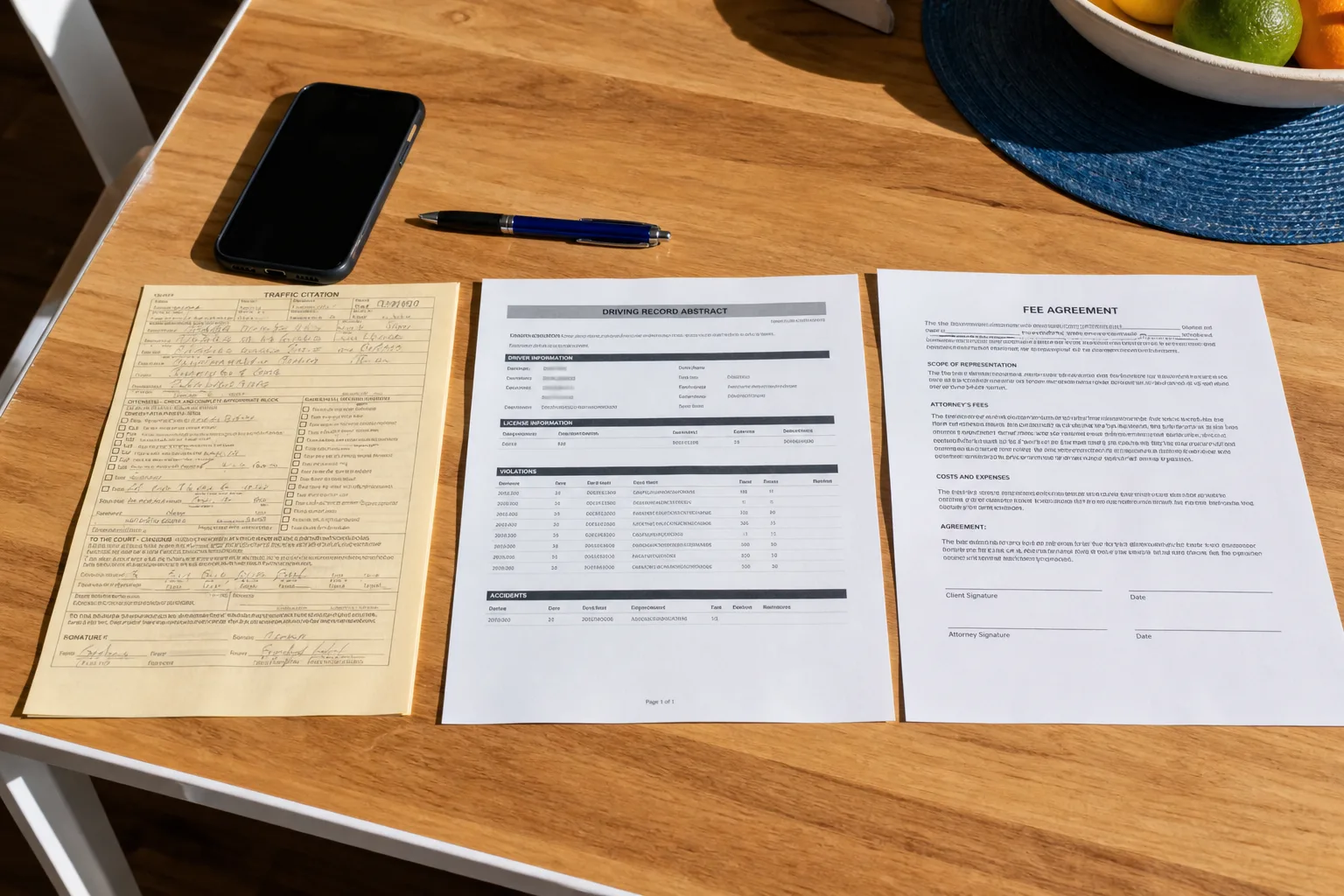
Arrive with the guarantee, the declarations page, the permit record, the servicer history and the log. The meeting then starts where it should start, which is with someone reading your documents in front of you and telling you plainly what happens next.