Agent Says Covered, Adjuster Says Excluded. How to Work the Conflict in One Week
When the agent, the adjuster and the contractor disagree about an exclusion, the fastest route through is knowing what each one was actually trained to do.
| Published | Section | Money & Finance | |
|---|---|---|---|
| Author | Malcolm Greenhalgh | Reading time | 5 min |
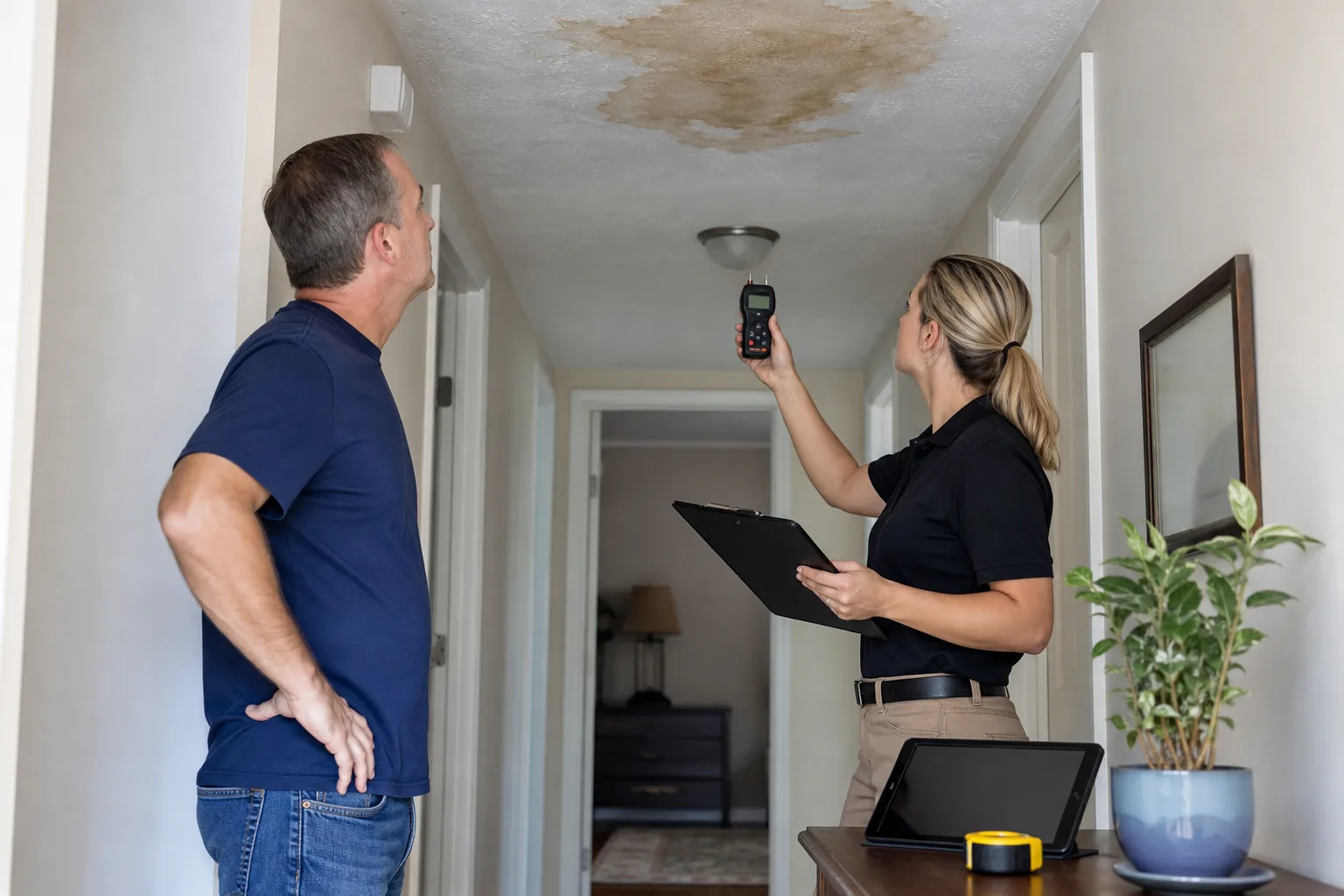
The disagreement usually arrives in the same three days. An agent, reached by phone on a Tuesday, says the loss sounds covered and to file. A field adjuster, standing in the same room on Thursday, points at a subfloor and uses the phrase repeated seepage. A restoration contractor, already running fans, says it was sudden and he has seen fifty of them. All three are speaking in good faith, and only one of them has any authority over what the policy pays. Knowing which is the whole job that week.
The agent placed the risk, and that is a different trade from adjudicating it
An independent agent spends year one learning to place business: which carrier writes an older roof, which one wants a water sensor before it will quote, what an endorsement adds and what it strips out. That training is oriented forward, toward the policy that has not been issued yet. It does not include claim adjudication, and in most agencies it never will, because the agent has no role in deciding the file. When an agent says a loss sounds covered, treat it as an informed opinion from someone who knows the form well and cannot bind the outcome. It is still worth having, and worth having in writing.
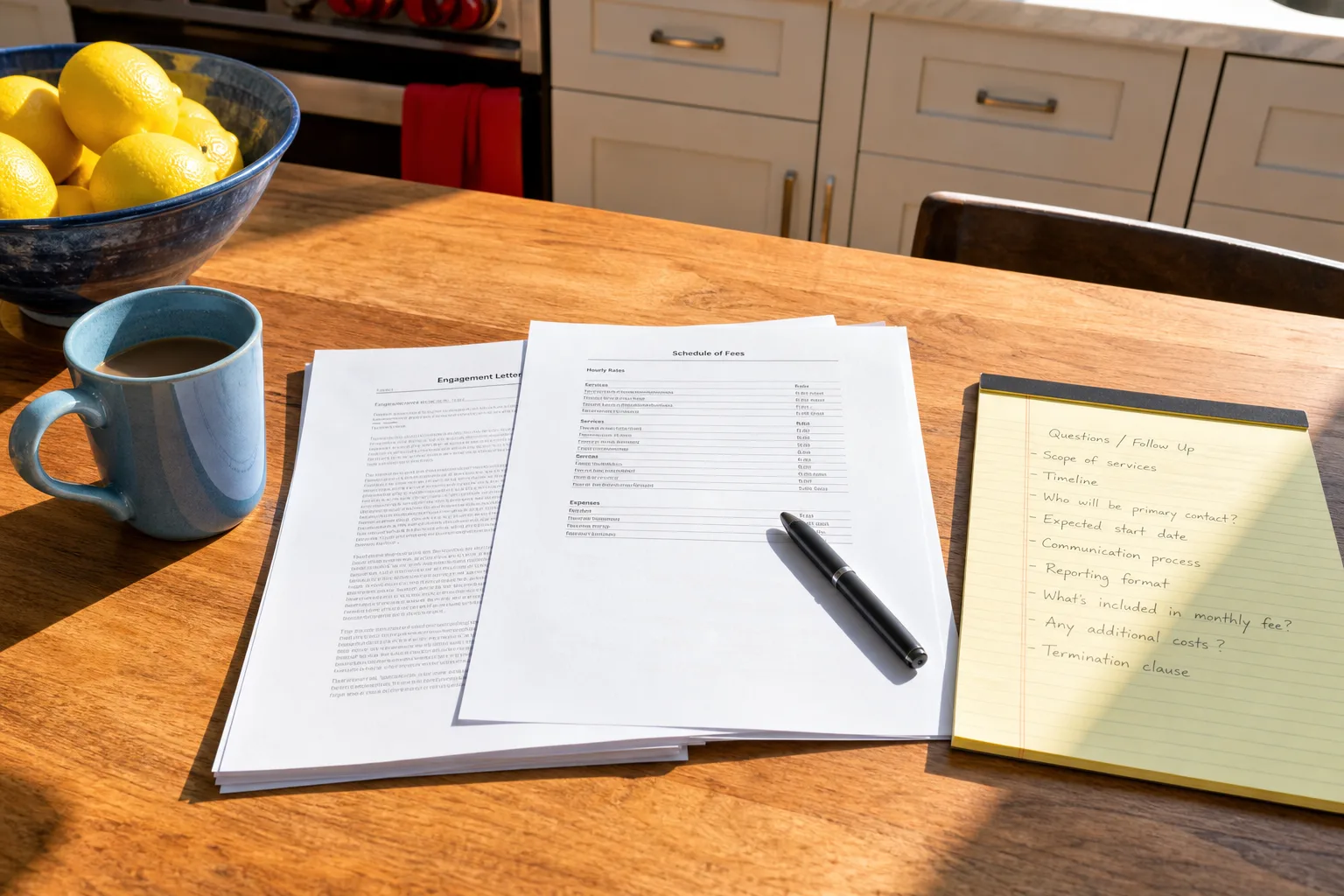
What an experienced agent can do, and a new one often cannot, is name the specific endorsement or exclusion the carrier will reach for and tell you which version of the form your policy sits on. Carriers revise forms. The water damage language on a policy written in one year may not match the language on a renewal three years later, and the agent's file will show which one you have. Ask for the declarations page and the full form with endorsements attached, by email, the same day you call. That single request saves a week later.
What a field adjuster learns first, and what only arrives after a few hundred files
A staff adjuster's first year is mostly scope and estimating. New hires learn the estimating software, the moisture meter, the photograph sequence, the difference between a category one and a category three water loss, and how to write a scope that survives review. Coverage interpretation comes later, and it comes unevenly, because it is learned from desk examiners, from coverage referrals, and occasionally from a file that went badly. That is why a first-year adjuster will sometimes state an exclusion with more confidence than the carrier's own position warrants. He is repeating what he was told about a similar file.
The tell is whether the person can separate two questions: what happened, and what the policy does about what happened. An adjuster with real time in the field will answer the first crisply and route the second, saying he is sending it to the examiner or to coverage counsel for a determination. That is not evasion. It is the correct division of labor inside a claims department, and it is the moment the conflicting advice you are holding stops mattering and the carrier's written position starts. Ask, plainly, who makes the coverage call and when you will see it in writing.
The trades next to your decision write the sentences the exclusion turns on
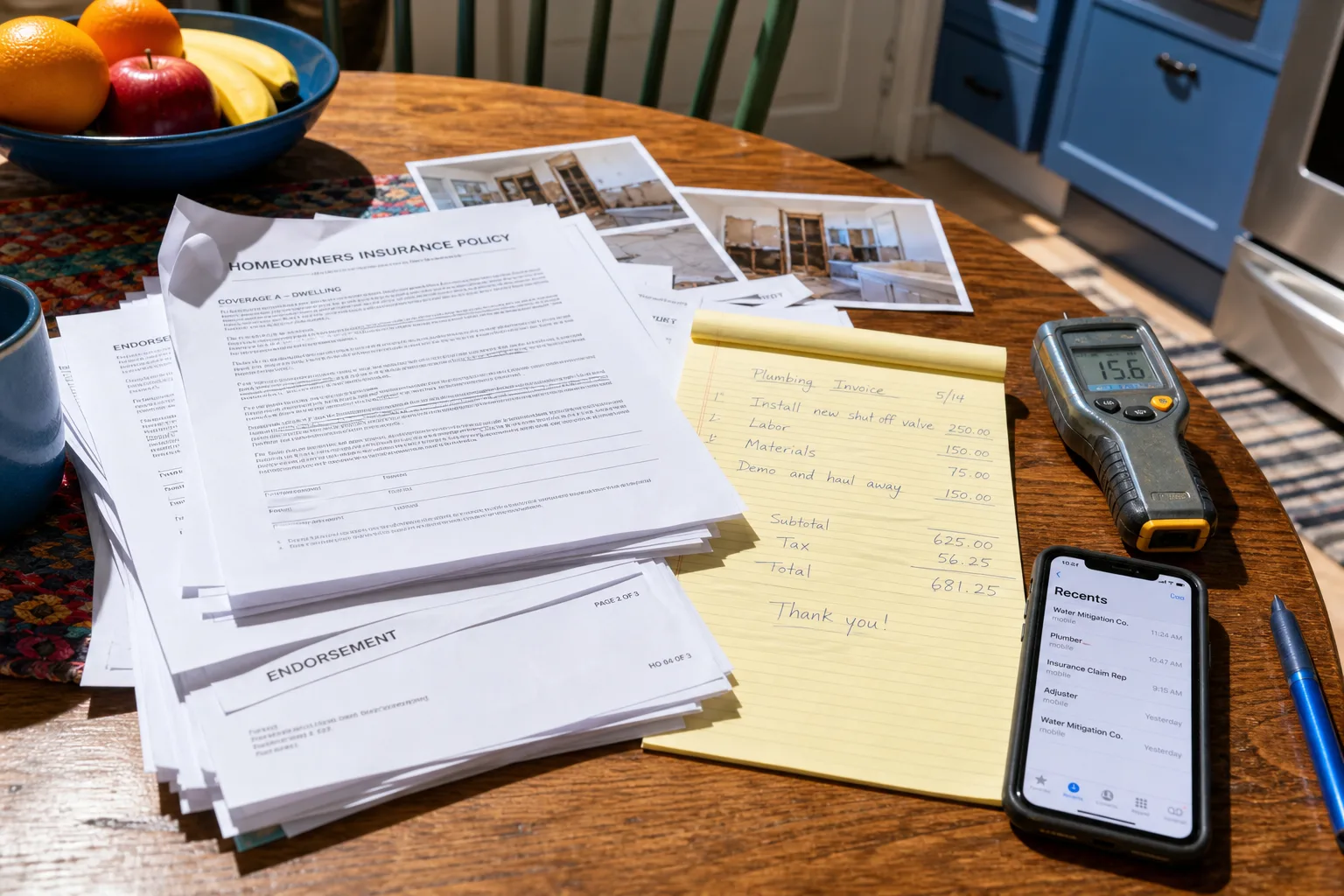
Almost every exclusion argument in a homeowners claim comes down to duration, cause and sequence, and those three facts are usually established by a tradesman who was never thinking about insurance when he wrote his invoice. A plumber who writes cracked supply line, corrosion consistent with long term, has effectively made the argument for wear and tear. The same plumber, asked a better question, might write braided line failed at the crimp, no staining above the pan, no prior repair. Both sentences can be true of the same fitting. Only one of them describes a sudden event.
So the week-to-week reality is that you are collecting documents from people whose ordinary paperwork habits vary enormously. A plumbing shop that mostly does new construction writes thin invoices. A leak detection company that works for carriers all week writes reports with photographs, meter readings and a stated cause of loss, because it has learned what gets questioned. If you have a choice of vendor on day one, choose the one who writes for a reader. Ask the trade to describe what he observed, dated and photographed, and to leave conclusions about coverage alone. Observation is what he is qualified to sell you.
The same applies to the restoration contractor. His mitigation invoice, the drying log, the daily moisture readings, all of it becomes the record of how fast the water was found and how fast it was addressed. Carriers read those logs closely, because a two week gap between the failure and the first fan is exactly the gap an exclusion lives in. Keep the log. Ask for it before the crew demobilizes, not a month afterward when the office is chasing a different job.
How to run the conflict down in five working days
Start by writing the three positions on one page: who said it, when, and in what words. Then request one thing from each. From the agent, the full policy form with endorsements. From the adjuster, the name of the person making the coverage determination and the date it is expected. From the trade, a dated observation report with photographs. None of these requests is adversarial, and all three are routine enough that a competent office produces them within a few days. What you are building is a file where the disagreement is visible and attributable, rather than a memory of three phone calls.
When the carrier's written position arrives, read it for the exclusion it actually cites and the sentence of your policy it quotes. Compare that sentence to your form. This is where most conflicts dissolve, because the agent was describing a different form, or the adjuster was paraphrasing an exclusion that is narrower on the page than in conversation. If the position still contradicts the physical evidence, you have a factual dispute, not a coverage dispute, and factual disputes are resolved with better documentation, a reinspection, or an independent expert. Say which one you are asking for.
Your state's department of insurance oversees licensing and market conduct for the agents, adjusters and carriers involved, and it is the body that handles complaints about how a claim was handled. It is worth knowing that route exists, and worth not using it as a first move. A carrier that has not yet issued a written determination has not done anything to complain about, and a file that arrives at the regulator with three phone calls and no documents behind it goes nowhere. A file with the form, the dated trade report and the carrier's own letter arrives differently.
The pattern holds across most of these disputes. The people whose work sits next to your decision are each expert in one narrow band and approximate outside it, and the week goes well when you ask each of them only for the thing they were trained to produce.